Do you picture mornings on the beach and evenings on a quiet dock, but wonder what it really takes to live between the Atlantic and the Indian River Lagoon in Vero Beach? If you are drawn to surf, sand, and boating, you are not alone. Many buyers in 32963 compare oceanfront and riverfront options and want a clear view of the lifestyle and the costs. In this guide, you will learn how daily life differs on each shoreline, what to expect for insurance and maintenance, the key environmental and permitting factors, and the due diligence that protects your investment. Let’s dive in.
Ocean-to-river defined in 32963
In Vero Beach, ocean-to-river living means quick access to two very different waters. On the east, you have the Atlantic Ocean with direct beach access and open water. On the west, you have the Indian River Lagoon, part of the Intracoastal Waterway, with calmer waters, mangroves, and estuarine wildlife.
Properties in 32963 can be oceanfront on the barrier island, lagoon or intracoastal along the west side of the island, or set on canals with river access. Mainland options with river access exist nearby as well. Each setting delivers a distinct daily rhythm and set of ownership considerations.
Daily life on each shoreline
Beachfront rhythm
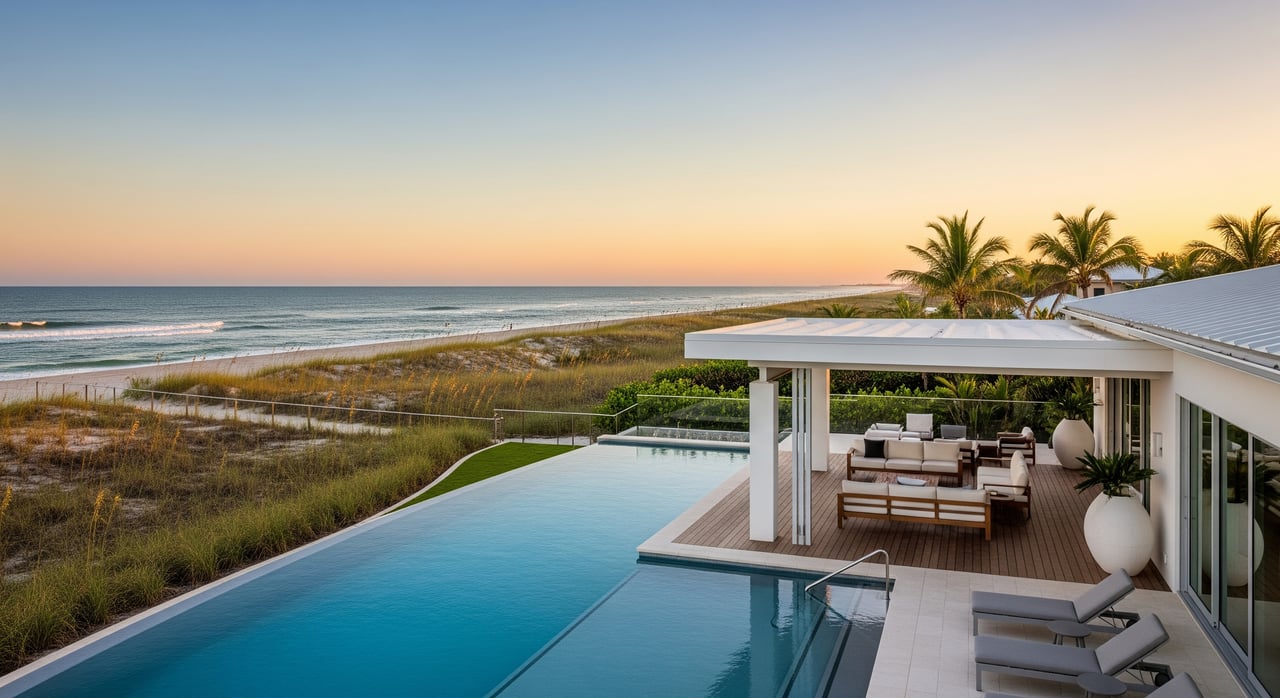
If you want direct sand access, ocean views, and the sound of waves, oceanfront living delivers. You can step onto the beach for morning walks, surfing, or open-water swimming. You will feel stronger coastal winds and wave action, and you will often be near public beach access and seasonal visitors.
Oceanfront condos and single-family homes typically have smaller lots due to coastal development patterns. The reward is proximity to the beach and panoramic views that are hard to match elsewhere.
Lagoonfront rhythm
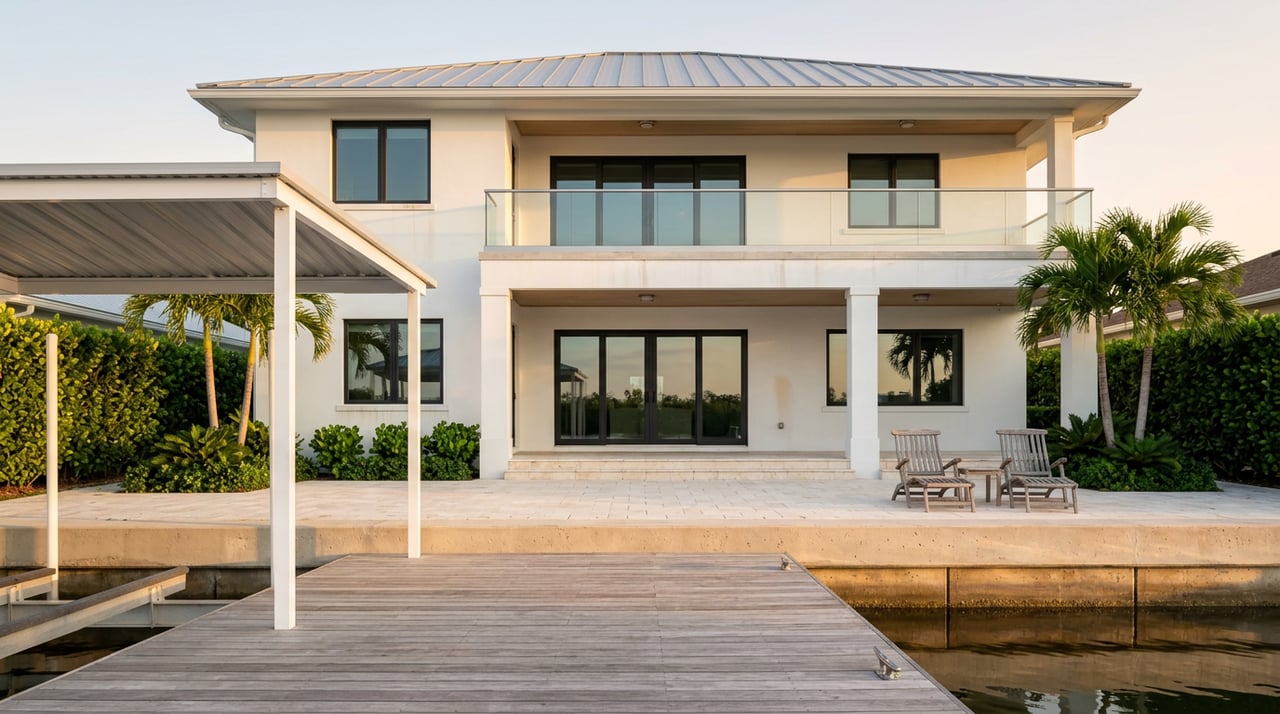
If you plan to boat, fish, kayak, or paddleboard most days, the Indian River Lagoon side is likely your match. Waters are calmer, docks are more common, and shorelines can be quieter. Many riverfront homes offer private docks or deeded slips, and canal-front properties provide direct access to the Intracoastal.
You will be closer to mangroves, flats, and bird habitat. While you give up direct ocean sand, you gain protected water access and a boating lifestyle that is easy to enjoy daily.
Boating and marine access
Riverfront and intracoastal properties often come with private docks, boat lifts, or access to shared marina facilities. If a dock is a must, confirm whether the property has a permitted structure, what maintenance is required, and if HOA rules apply. Shared marinas can have waitlists and seasonal restrictions, so verify slip availability and fees early.
Local wake and no-wake zones matter for boating, as do lift capacity and water depths at low tide. If you plan to store a larger boat, investigate nearby marina capacity and the approach depth to your dock. Boat and dock permitting varies, so understand what is allowed before planning changes.
Costs you should plan for
Insurance basics
Coastal properties often fall within FEMA flood zones, which can require or strongly encourage flood insurance. Your rate depends on the property’s flood zone, Base Flood Elevation, and elevation certificate details. Private flood policies and NFIP options are available, and quotes can vary based on mitigation features.
Wind and hurricane coverage is another key cost. Florida’s coastal market has seen volatility in carrier availability and pricing. Deductibles and terms differ, and some owners use Citizens Property Insurance when private coverage is not available. Obtain flood and wind quotes early in your process.
Taxes, HOA, and maintenance
Property taxes are levied by Indian River County. Review current assessments and any exemptions you may qualify for. If you are buying a condo or a home with an HOA, factor in association dues, marina or slip fees, and rules for shoreline and dock upkeep.
Waterfront homes may have seawalls, bulkheads, docks, and lifts that require periodic inspections and repairs. Budget for routine maintenance and be prepared for capital projects that arise with aging coastal infrastructure.
Seawalls and shoreline care
Seawalls and bulkheads are essential on many waterfront parcels. Their condition directly affects safety, insurance, and long-term costs. Repairs and replacements can be significant projects that require permits from multiple agencies. Living shoreline solutions exist in some locations and may be part of long-term resilience planning.
Flood, surge, and environment
Flood zones and elevation
Hurricane storm surge, tidal flooding, and heavy rain events are part of coastal risk. FEMA Flood Insurance Rate Maps assign zones such as VE, AE, or X, and each zone has a Base Flood Elevation that guides construction and insurance needs. Lenders often require flood policies for Special Flood Hazard Areas, so confirm your exact zone and obtain an elevation certificate early.
A higher finished-floor elevation, flood openings, and other mitigation elements can improve insurability and resilience. Your underwriting may depend on accurate surveys and certificates.
Water quality in the lagoon
The Indian River Lagoon has experienced water-quality challenges in recent years, including algal blooms, seagrass loss, and occasional fish kills. Restoration work is ongoing across local, state, and federal programs. Conditions can influence recreational use and the aesthetic environment, so stay current with lagoon monitoring updates.
Erosion and building codes
On the Atlantic side, erosion potential and surf conditions can shape long-term planning. Florida Building Code sets wind-load and elevation standards for new construction and substantial improvements. The Coastal Construction Control Line applies in parts of the barrier island and can restrict or condition development. Floodplain rules and freeboard requirements may affect rebuild costs and feasibility after a storm.
Buying checklist for 32963 waterfront
Use this due diligence list to protect your time and budget:
- Verify your flood zone and Base Flood Elevation through official maps. Order an elevation certificate if one is not available.
- Request prior elevation certificates, any known flood or insurance claims, and storm-related repair disclosures.
- Inspect seawalls, bulkheads, docks, boat lifts, and boathouses. Consider an engineering assessment for major structures.
- Confirm dock and seawall permit history. Ensure any prior work obtained proper permits and approvals.
- Obtain current flood and wind insurance quotes and understand hurricane deductibles. Check private options and Citizens if needed.
- Review recorded easements and riparian rights affecting access and use.
- Read HOA or condo documents for dock rules, slip allocation, maintenance responsibilities, and rental policies.
- Verify sewer or septic. If septic, evaluate system age, condition, and permitting.
- Check zoning, any resilience plans, and local shoreline regulations that could affect future improvements.
- Investigate marina capacity and alternative boat storage options if you need a larger slip.
Selling with confidence
If you are preparing to list, help buyers feel confident and shorten negotiation time:
- Disclose any known flooding, storm damage, repairs, and insurance claims as required. Provide elevation certificates and permit records.
- Assemble documentation for seawall, dock, and lift maintenance, including engineering reports if available.
- Consider pre-listing inspections for the roof, dock, and bulkhead. Have repair estimates ready for high-cost items.
- Be proactive about insurance. Provide sample flood and wind information and highlight mitigation features.
Resale and value drivers
Waterfront premiums reflect unique lifestyle value and scarcity. Oceanfront often commands the highest pricing due to direct beach access and views. Riverfront with a quality dock and protected water access also carries a premium, especially for boating buyers.
Value is sensitive to durability and documentation. Buyers will favor homes with clear elevation data, maintained seawalls, engineered dock reports, and evidence of permitted work. Transparent records reduce perceived risk and support stronger pricing.
Who to contact for answers
When you need official details, these sources are essential:
- Indian River County Property Appraiser for parcel data and assessed values.
- Indian River County Building and Zoning, including Floodplain Management, for permits and flood rules.
- City of Vero Beach Planning and Building for properties inside city limits.
- FEMA Flood Map Service Center for flood zones and insurance guidance.
- NOAA Tides and Currents, and NOAA Sea Level Rise tools for tides, surge, and projections.
- Florida Department of Environmental Protection for Coastal Construction Control Line information and coastal permits.
- U.S. Army Corps of Engineers for permits in navigable waters when applicable.
- Indian River Lagoon monitoring and restoration programs for water-quality updates.
Work with a local specialist
Choosing between ocean and river living in 32963 is more than a view decision. It touches how you spend your days, how you insure and maintain your home, and how you plan for the future. With the right guidance, you can match your lifestyle goals to the shoreline that fits your budget and comfort level with risk.
If you are weighing options or want a clear plan for buying or selling on either shore, connect with a local team that pairs market mastery with concierge service. Reach out to Kathleen Provancher for a tailored strategy, from pre-offer due diligence to premium listing preparation.
FAQs
What is ocean-to-river living in Vero Beach?
- It means quick access to both the Atlantic Ocean and the Indian River Lagoon in 32963, with distinct lifestyles and ownership considerations on each shoreline.
How does daily life differ on ocean vs river homes?
- Oceanfront offers direct beach access, ocean views, and stronger winds. Riverfront offers calmer waters for boating, fishing, kayaking, and more private dock access.
What insurance should I expect for 32963 waterfront?
- Many properties require or benefit from flood insurance, and separate wind or hurricane coverage is common. Obtain quotes early based on your flood zone and elevation.
What inspections are critical for waterfront homes?
- Evaluate seawalls, bulkheads, docks, lifts, and roofing. Consider engineering reports for major marine structures and obtain copies of any permits and maintenance records.
How do flood zones affect buying and lending?
- FEMA zones such as VE or AE can trigger lender requirements for flood insurance. Elevation certificates often influence underwriting and premiums.
Are there special permits for docks or seawalls?
- Yes. Local authorities, Florida DEP, and sometimes the U.S. Army Corps of Engineers may be involved. Confirm existing permits before planning changes.
Will sea-level rise and storm surge impact values?
- Coastal and lagoon-front areas face surge and sea-level exposure. Documented mitigation, elevation, and maintained shoreline structures can support marketability.
What should sellers provide to reduce buyer risk?
- Share elevation certificates, flood or repair disclosures, and records for permitted dock and seawall work. Pre-list inspections can also help streamline negotiations.