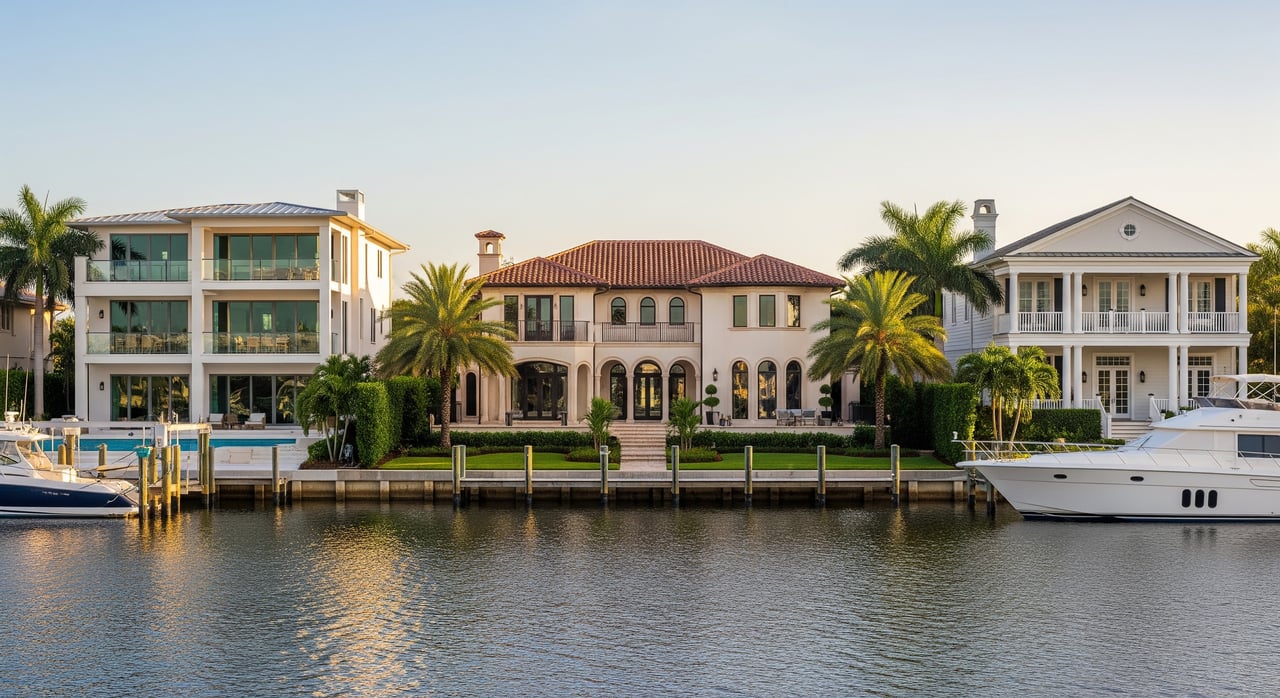
Trying to decide between a condo, townhome, or single-family home in Grand Harbor can feel overwhelming. You want the right blend of lifestyle, privacy, and cost without surprises. In this guide, you’ll compare the main home styles, see how views and memberships affect value, and learn the key questions to ask before you buy. Let’s dive in.
Grand Harbor home styles at a glance
Condos and villa-style condos
Condos often offer the lowest entry price and a true lock-and-leave setup. Exterior maintenance and building insurance are typically handled by the association. Many feature elevators, patios, or balconies, which makes day-to-day living simple. If you value convenience and want fewer chores, a condo can be a smart fit.
Townhomes and attached villas
Townhomes give you more space and privacy than most condos, often with a private garage. Exterior responsibilities may be shared between you and the HOA, so upkeep is lighter than a detached home. This style often balances cost, room to spread out, and reduced maintenance. If you want a middle ground, start here.
Single-family residences
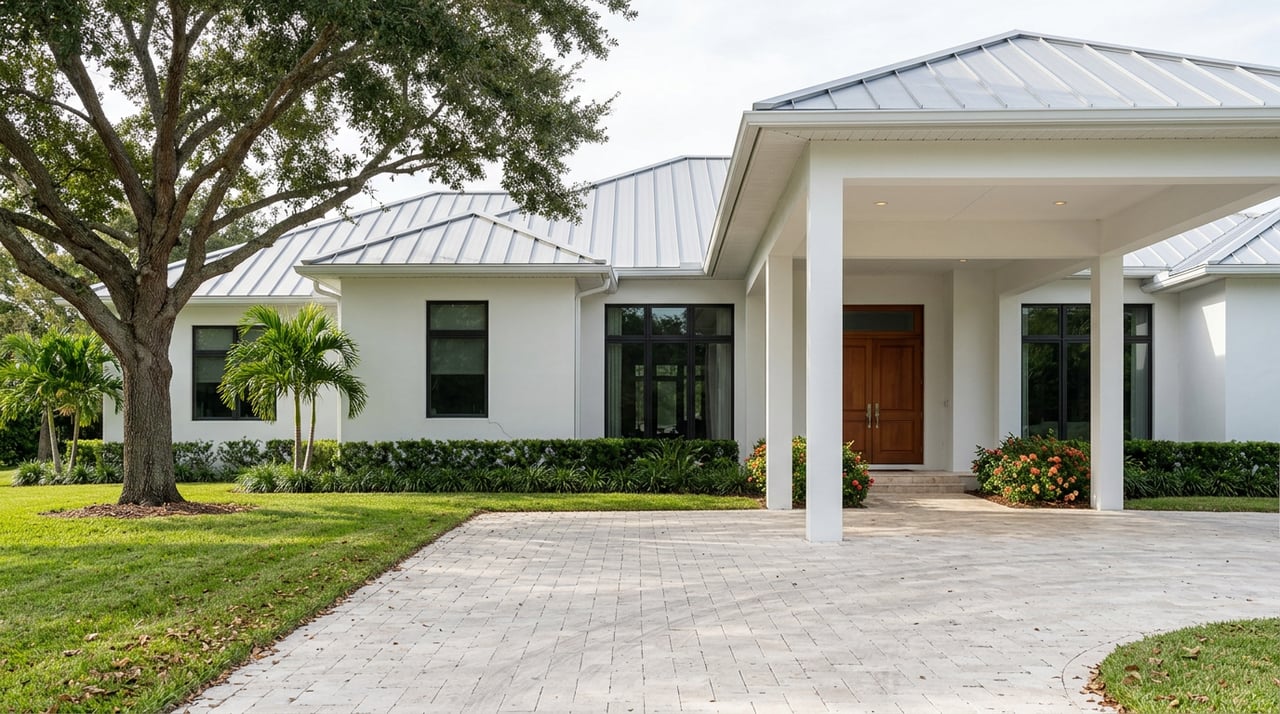
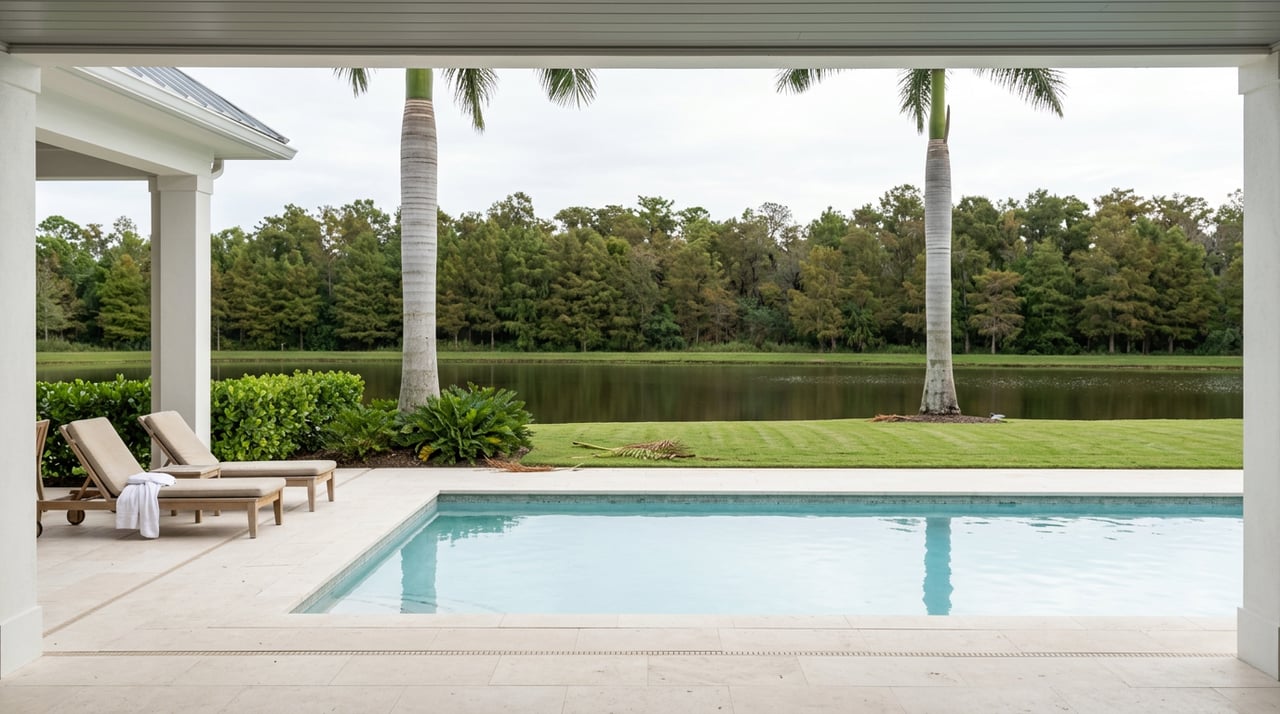
Detached homes deliver the most privacy, yard space, and flexibility for outdoor living. They tend to sit on premium lots, including waterfront, preserve, or golf views. You take on more maintenance and higher insurance needs, and purchase prices are usually higher. This style often suits year-round living and those who want maximum control over their property.
Match your lifestyle
Seasonal lock-and-leave
If you plan to be here part-time, condos and smaller villas usually fit best. Association-managed exterior care and building insurance make it easy to come and go. Gated security and on-site services help protect your home while you are away.
Full-time living and pets
If day-to-day space, privacy, and yard access matter, single-family homes are the top choice. Townhomes can also work for everyday living if you want a garage and a bit of outdoor space without full yard responsibility. Evaluate noise patterns and proximity to amenities to match your routine.
Golf, marina, and social scene
If you want quick access to golf, dining, fitness, or the marina, focus on homes closest to the club campus and boat facilities. Walking distance is convenient, but you should balance that with potential activity and event noise. If boating is a priority, research slip access and rules early.
Views and location tradeoffs
Marina and Intracoastal
You get premium water views, sunsets, and boat activity. These locations can carry higher prices, more exposure to storm impacts, and potentially higher insurance. Expect occasional boating noise, and verify flood data and elevation.
Golf course
Open sightlines and manicured greens are a major draw. You may notice early morning maintenance or occasional cart traffic. Golf views typically hold value well because view corridors are stable.
Preserve and natural
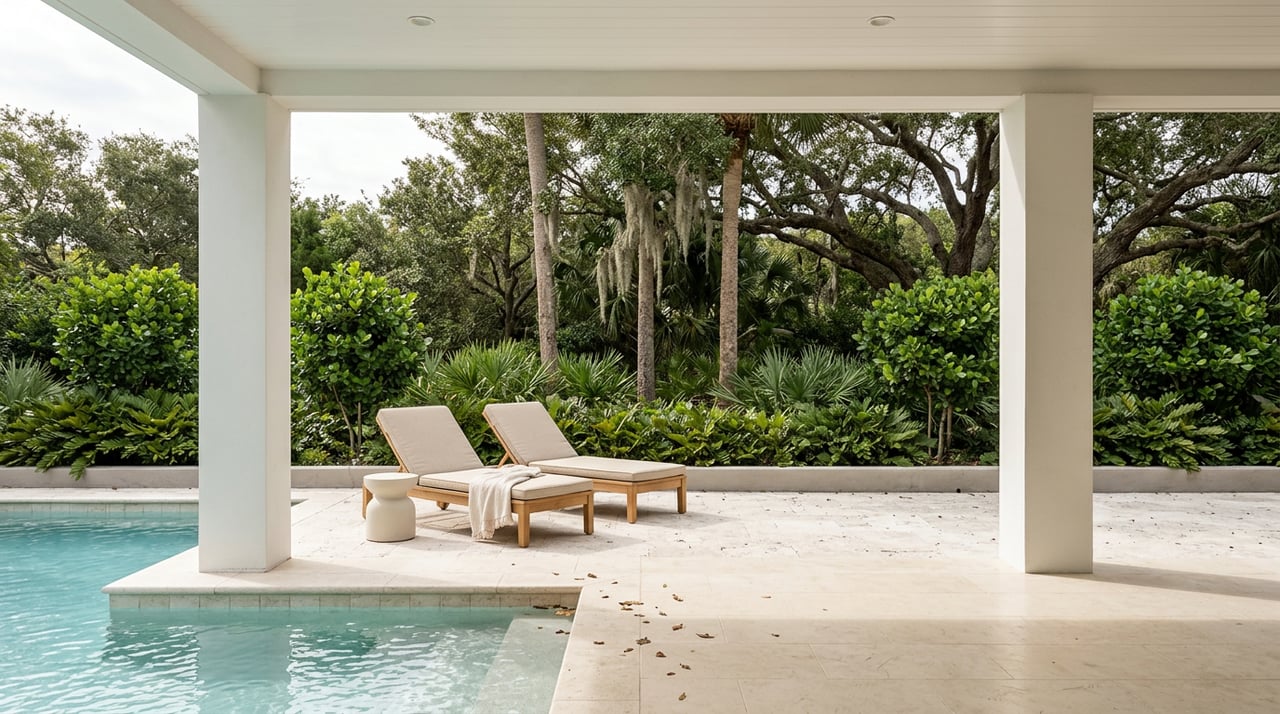
You gain privacy, wildlife, and a quieter feel. Seasonal insects can be more noticeable, and some lots have setback or buffer requirements. Ask about local mosquito control and maintenance practices.
Interior and convenience
Interior or streetscape views often come at a lower price point. You are typically closer to parking and community facilities. Expect more routine traffic and a less dramatic view.
How to vet a view
- Confirm flood zone, elevation, and any prior flood history if near water.
- Ask for community maps and future plans to understand view permanence.
- Visit at different times and days to gauge noise, activity, and maintenance schedules.
Memberships, amenities, and rules
What to confirm before you write an offer
Grand Harbor centers around a private club with golf, social spaces, fitness, pools, and a marina. Membership structures can vary by tier. Before you commit, confirm:
- Whether club membership is required, optional, or transferable with your purchase.
- Who pays any initiation fee and what dues apply beyond HOA fees.
- Marina slip options, availability, and wait lists.
Rules that shape daily life
Review the HOA documents for rental policies, pet guidelines, and rules on exterior changes. Understand whether an Architectural Review Board must approve updates. Ask about any pending special assessments or litigation that could affect costs or timelines.
Budget and recurring costs
Upfront pricing tiers
As a general pattern, condos tend to be the most affordable entry point, townhomes are mid-range, and single-family homes command the highest prices, especially with premium views or waterfront.
HOA dues and club fees
Condo dues are often higher because they can include exterior maintenance and building insurance. Townhome dues typically sit in the middle, while single-family dues can be lower but vary by association and amenity access. Club initiation fees and dues are separate from HOA costs, so verify what applies to your specific home.
Insurance and flood
Condo buildings are insured by a master policy, and you typically carry a unit policy for interiors and personal property. Townhome and single-family owners insure the structure and contents. Near the Intracoastal or canals, flood insurance may be required; get an official flood determination and elevation certificate early and seek quotes for homeowners and flood policies.
Ongoing maintenance
Single-family owners should budget for landscaping, pools, roof, and exterior systems. Condo owners may have fewer direct maintenance tasks but can be affected by special assessments if a building needs major repairs. Salt air can impact mechanicals over time, so factor in routine service.
Resale and marketability
What drives long-term value
Water views, marina access, and premium golf frontage are proven value drivers. Homes that include transferable club memberships may attract more buyers. Flexible rental rules can increase investor appeal. Newer construction with strong wind ratings can improve insurability and reduce upkeep.
Market timing and demand
Inventory, days on market, and price trends vary by season and by product type. In communities with many seasonal owners, condo supply can shift during peak listing months. Review recent comparable sales and talk with a local expert to time your offer and refine your price strategy.
Buyer checklist for Grand Harbor
- Request and review the HOA and club documents, including CC&Rs, bylaws, budgets, reserve studies, minutes, and financials.
- Confirm whether club membership is mandatory or optional and get terms in writing for any included or transferable membership.
- Verify marina slip ownership or lease terms, wait lists, and fees if boating is a priority.
- Order an official flood zone determination and, if applicable, an elevation certificate. Get quotes for homeowners and flood insurance early.
- Ask for a clear breakdown of HOA dues and what they include, such as exterior insurance, landscaping, cable, water, or trash.
- Confirm maintenance responsibilities for roofs, exterior painting, pools, elevators, and irrigation.
- Check for pending capital projects, special assessments, or litigation in the HOA or club.
- Tour at different times to understand noise, events, and traffic patterns.
- Review recent comparable sales for your chosen product type with a local specialist.
Ready to explore homes?
Choosing the right home style in Grand Harbor starts with clarity on lifestyle, budget, and rules. Whether you want a turnkey condo, a balanced townhome, or a private single-family retreat, you will be best served by a local guide who knows the micro-markets and membership details inside and out. For tailored recommendations and a smooth, concierge experience from first tour to closing, connect with Kathleen Provancher.
FAQs
What home style in Grand Harbor suits seasonal owners best?
- Condos and smaller villas usually offer the easiest lock-and-leave living since associations handle most exterior maintenance and building insurance.
How do HOA dues differ among condos, townhomes, and single-family homes in Grand Harbor?
- Condo dues are often highest due to building insurance and exterior upkeep, townhome dues are mid-range, and single-family dues can be lower but vary by association and amenities.
Are marina slips included with homes in Grand Harbor or leased separately?
- Slip arrangements vary; some are owned or transferable while others are leased, often with wait lists. Confirm specifics with the club or marina office for each property.
Is club membership required to buy a home in Grand Harbor?
- Membership rules differ by property and membership tier. Verify if membership is mandatory, optional, or transferable before making an offer.
How should I evaluate flood risk for Grand Harbor properties near the Intracoastal?
- Get an official flood zone determination and an elevation certificate if needed, then request homeowners and flood insurance quotes for the exact address.
Are short-term rentals allowed in Grand Harbor communities?
- Many associations restrict or prohibit short-term rentals. Review HOA rules for minimum lease terms and approval processes before assuming rental income.
What factors most influence resale value in Grand Harbor?
- Premium views and access, membership transferability, rental flexibility, newer construction quality, and strong HOA reserves typically support better long-term value.