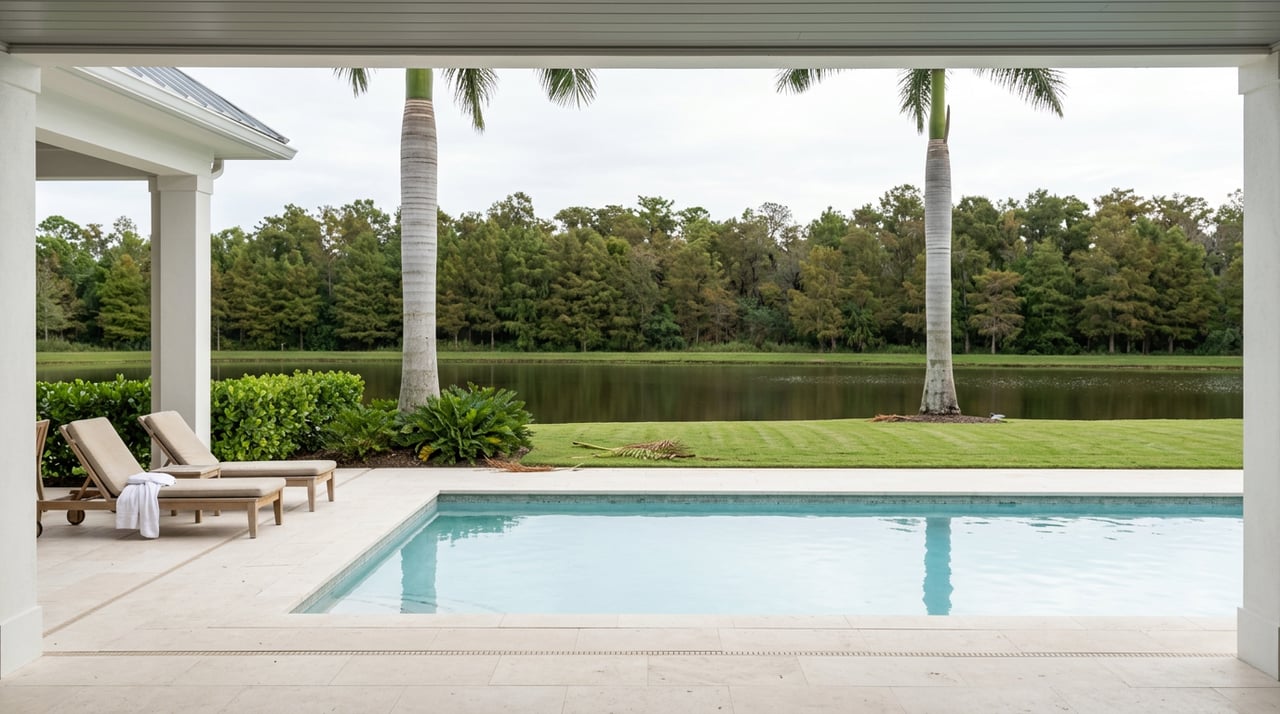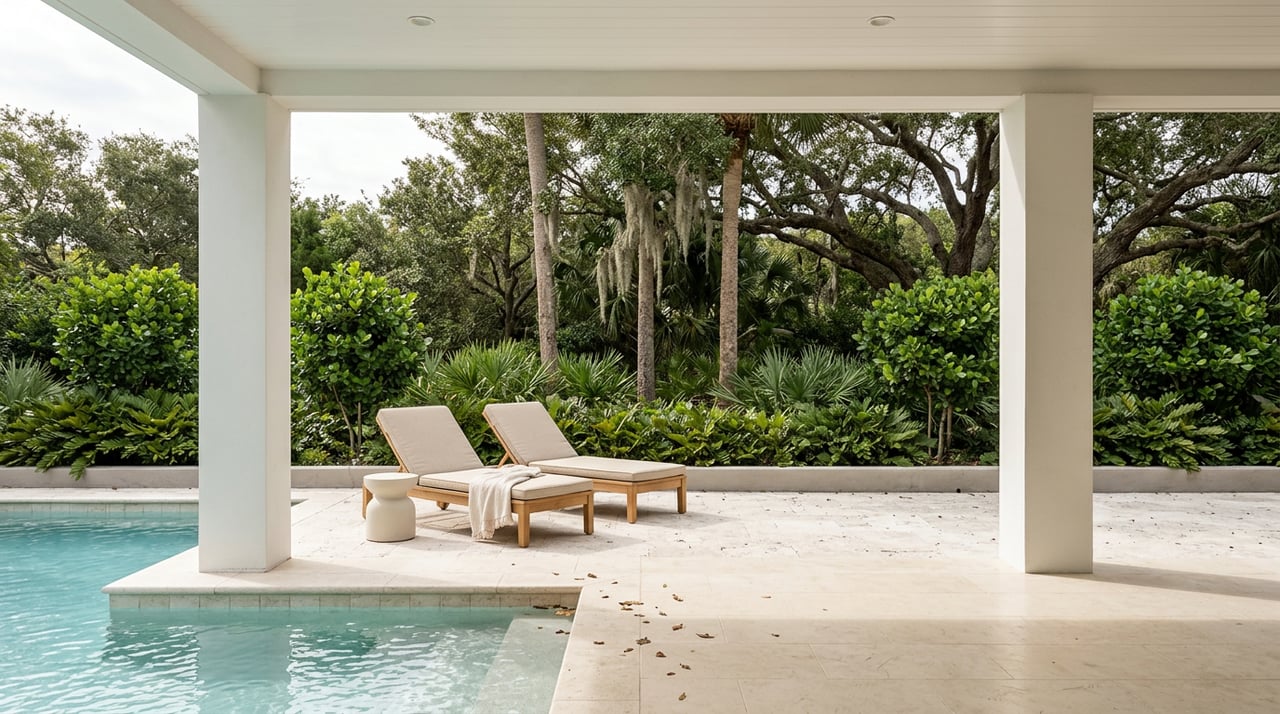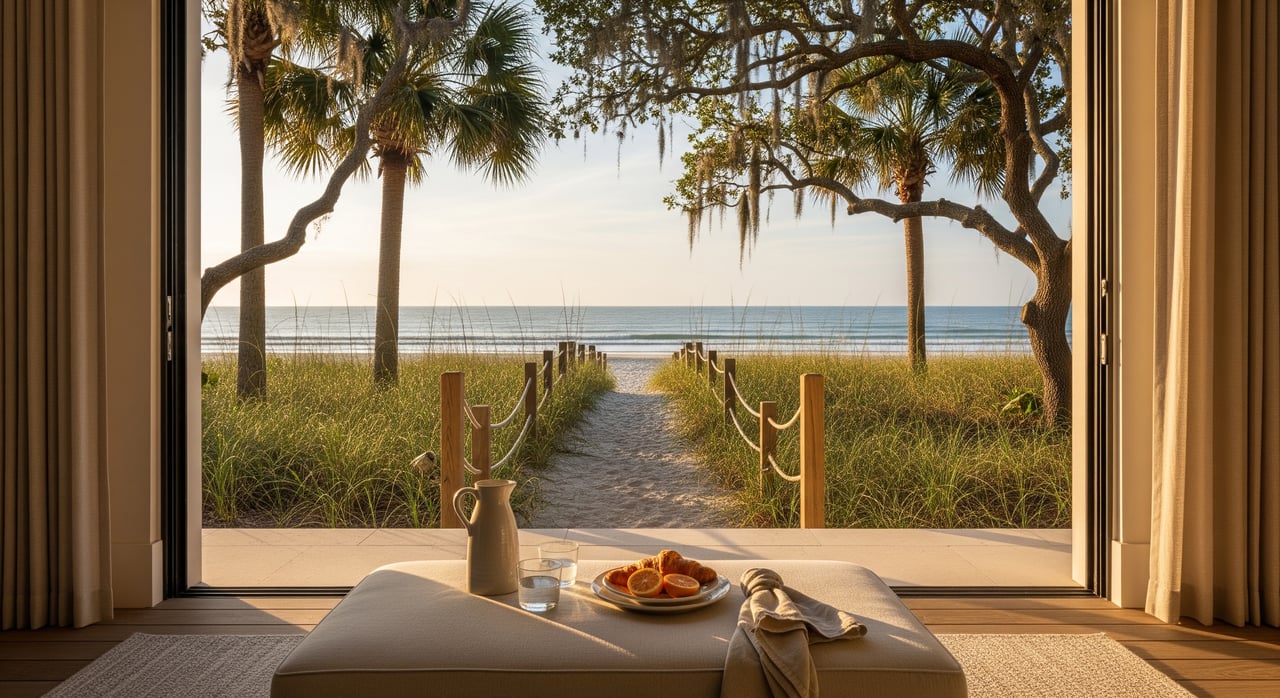
If your ideal morning starts with a quiet beach walk and ends with dinner a few blocks from home, Central Beach might fit you perfectly. You want a true coastal routine that is easy, social, and close to the water without giving up everyday convenience. In this guide, you’ll learn what daily life really looks like in Vero’s Central Beach, from walkability and golf carts to dining, arts, housing, and practical considerations. Let’s dive in.
Central Beach at a glance
Central Beach sits on Vero Beach’s barrier island in ZIP 32963 along the Atlantic side. It is a compact, coastal neighborhood with short blocks, nearby beach access, and a small commercial strip oriented to both residents and visitors. The pace is relaxed and highly walkable during the day, with more activity around restaurants and waterfront spots in the evenings and on weekends.
You’ll find a mix of full-time residents, second-home owners, and locals who enjoy beach access with minimal commuting. Winter months bring higher pedestrian and visitor activity, while summer and fall feel quieter. That seasonal rhythm can affect restaurant hours, events, and rental patterns, so it helps to plan your routines with the calendar in mind.
Daily essentials within minutes
You can often reach morning coffee, lunch, and the beach on foot or by bike or cart. Businesses cluster near the beach’s main thoroughfares, so many errands are close by. The area has a small-town coastal feel where you get to know your favorite café, shopkeeper, and sunset spot.
Beach access and water time
Most Central Beach residents are a short walk from a public beach entrance or have private access depending on the property. Swimming, shoreline walks, sunbathing, and surf or shore fishing are common parts of the routine. Beach facilities and services vary by access point and season, so check posted city or county signage for lifeguard coverage and rules on pets, fires, and alcohol. When conditions are right, you might add paddle sports to the mix.
Dining and coffee
Expect a seafood-forward mix with casual beachfront cafés, bistros, and wine bars. Neighborhood coffee shops and bakeries make it easy to grab breakfast or meet a friend for an afternoon break. Nightlife is low to moderate, with intimate bars and restaurants rather than big clubs. In high season, you can often find live music at select venues.
Shops and everyday errands
The commercial strip features locally owned boutiques, resort-wear shops, galleries, gift stores, and surf or sporting shops. You’ll find smaller neighborhood markets on the island for basics. For full-service groceries and larger errands, plan a short drive to the mainland where you’ll find supermarkets and big-box options.
Arts and culture
You have easy access to regional museums, community theaters, and seasonal film or music events on the mainland. Independent galleries and artisan shops are part of the local scene near the beach. Community arts events and seasonal festivals add to the social calendar, especially in winter.
Green spaces and recreation
You can enjoy walking paths, pocket parks, and beachside green areas that host picnics and community gatherings. Most golf courses sit on the mainland within a short drive. Boating and fishing are popular thanks to nearby access to the intracoastal waterway and marinas.
Getting around day to day
Central Beach rewards short, simple trips. Many residents choose to walk, bike, or use a golf cart for close-by errands and meals.
Walkability basics
The terrain is flat and the blocks are short, which makes walking and biking pleasant. Many daily destinations fall within a 5 to 20 minute walk from central points. Sidewalks vary by block, and some residential streets are narrower, so you’ll want to test your common routes during the day and evening.
Golf cart culture
Golf carts are commonly used for short local trips. Where and how you can use a cart depends on City of Vero Beach and Indian River County ordinances, which may specify permitted roadways, speed limits, and equipment. HOAs or condo boards can add their own rules for use and storage. If you are considering an electric cart, think about charging access at your property and the practicality of parking and storage for cottages or condos.
Parking and peak season
Parking near the beach is finite and fills faster on weekends and in high season. Some access points and commercial strips use metered parking, short-term lots, or resident permit systems. A1A and the island connectors can be busy during peak hours. Many residents skip the car for short trips and rely on walking, carts, or bikes when traffic is heaviest.
Homes and how people live
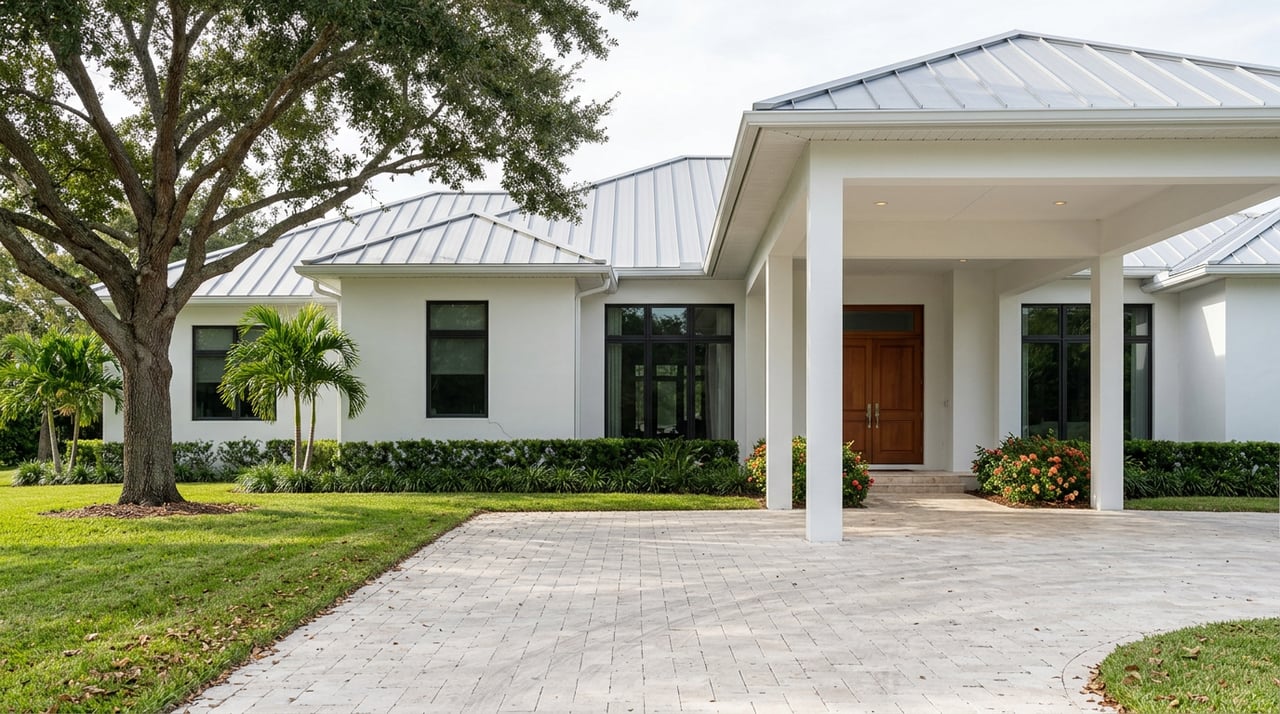
Housing on the island reflects a classic coastal mix, from historic cottages to modern rebuilds. The way you live here often starts with the home type you choose.
Common home types
• Beachfront single-family homes sit directly on the Atlantic, ranging from mid-century beach houses to newer custom coastal residences. • Near-beach cottages and bungalows occupy smaller lots a few blocks from the water. • Condominiums and townhomes include low to mid-rise buildings with everything from pied-à-terre options to full-time residences. Condos are a popular entry point for part-time living. • Some condos and single-family homes operate as short-term rentals, subject to HOA rules and local codes.
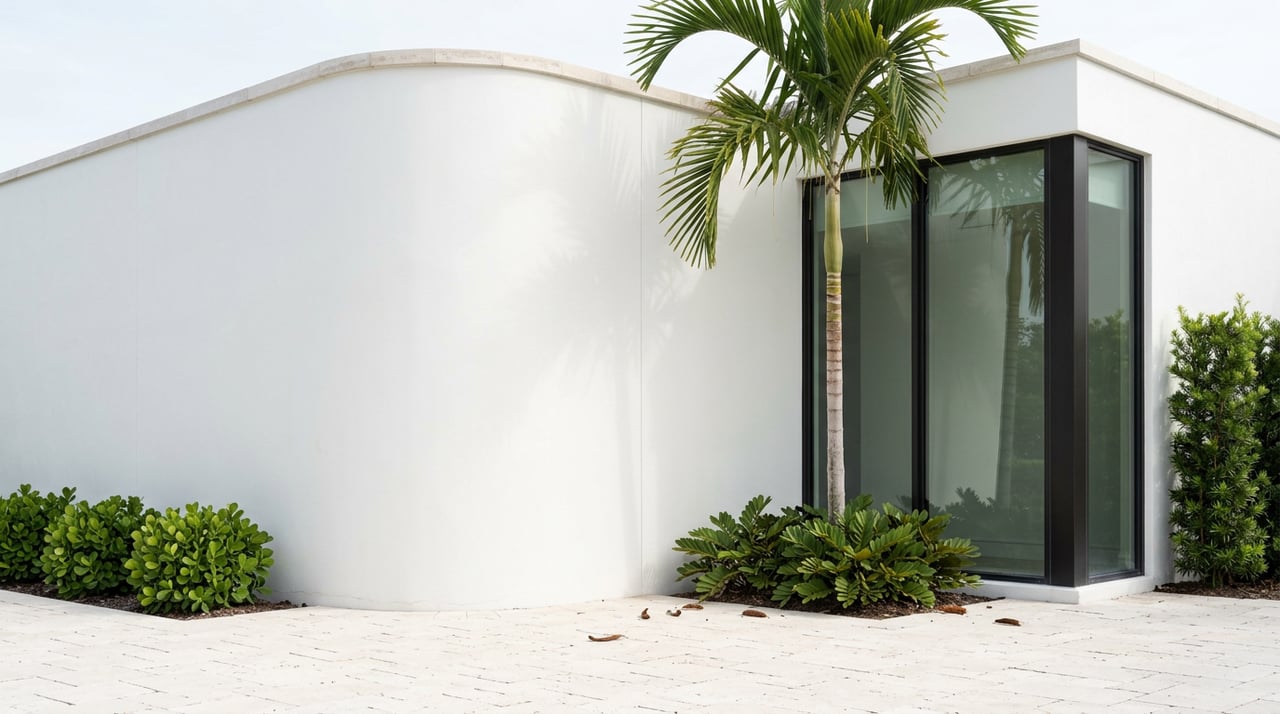
Architectural character spans coastal vernacular, Mediterranean influences, and contemporary coastal styles. Many properties have been renovated or elevated after storm events as building standards evolved.
Price tiers and dynamics
Pricing follows a clear pattern: beachfront and direct ocean views command the highest premiums, near-beach cottages and well-located condos sit in the middle, and inland or older units can be more budget-friendly. Demand is shaped by seasonal interest from out-of-area buyers, second-home trends, limited island inventory, and proximity to the ocean. For current values, consult real-time listing sources or a local buyer’s agent because prices move with seasonality and inventory.
Risk and insurance considerations
Barrier-island properties carry coastal risk. Many Central Beach parcels appear in FEMA VE or AE flood zones depending on site elevation and proximity to the water. You will typically need both wind or hurricane coverage and separate flood insurance. Premiums vary based on elevation, construction type, and claims history, so it is smart to obtain insurance quotes before you commit to a purchase.
New construction and major remodels often require elevated foundations and storm-rated windows and doors. Local building codes and permitting account for coastal conditions and aim to improve resilience. It is also wise to review county hazard mitigation plans and long-range coastal planning for a clear view of future risk.
HOAs, rentals, and use rules
Many condos and some subdivisions have HOAs that set rules on rentals, pets, exterior changes, and parking. Rental regulations vary, including minimum stays and frequency limits. Zoning can shape what you can build or modify, so verify with planning departments and review HOA documents before buying if rentals or renovations are part of your plan.
Practical living checklist
Use this quick list to test Central Beach for your lifestyle and to prepare for a purchase:
- Visit in different seasons to compare winter activity with off-season patterns and hours.
- Walk the neighborhood at morning, mid-day, and evening to assess lighting, noise, and actual walk times for your favorite routes.
- If you plan to use a golf cart, ask the city and your HOA for written rules, permitted roads, and any equipment requirements.
- Confirm your nearest full-service grocery, pharmacy, urgent care, and hospital on the mainland.
- Request sample insurance quotes early and ask for elevation certificates where available.
- Review HOA covenants, especially rental and parking rules, before you make an offer.
- Check FEMA flood maps for your target addresses and discuss mitigation options with your contractor or inspector.
Is Central Beach a fit for you
If you want relaxed, walkable beach living with easy access to dining, galleries, and the water, Central Beach offers a strong day-to-day rhythm. The tradeoff is coastal risk, seasonal ebbs and flows, and practical details like parking and cart rules that you should verify up front. When you match the home type and location to your routine, life here feels simple and social.
Ready to explore homes or compare neighborhoods on the island and mainland? As local barrier-island specialists, Team Provancher combines neighborhood insight, modern digital tools, and concierge service to simplify every step. Whether you are buying, selling, or planning a remote transaction, connect with Kathleen Provancher for hands-on guidance tailored to your goals.
FAQs
Is Central Beach walkable to shops and restaurants in 32963
- Many daily destinations are within a 5 to 20 minute walk from central points, though sidewalk coverage varies by block, so test your preferred routes.
Can I use a golf cart for everyday errands in Central Beach
- Many residents do for short trips, but you should verify city and county ordinances, posted speed limits, and any HOA rules before relying on a cart.
How close are groceries and medical services to Central Beach
- Small island markets cover basics, while full-service groceries and emergency or routine medical care are on the mainland a short drive away.
What should I know about flood zones and insurance in 32963
- Expect coastal VE or AE flood zones and plan for wind and flood coverage; premiums vary, so obtain quotes early and review elevation and construction details.
Do Central Beach condos allow short-term rentals
- Rules differ by building and municipal code; confirm HOA bylaws and local regulations before buying if rental income is part of your plan.
When are the busiest and quietest months in Central Beach
- Winter months are typically busier with seasonal visitors, while summer and fall are quieter and include hurricane season, which can affect schedules and events.