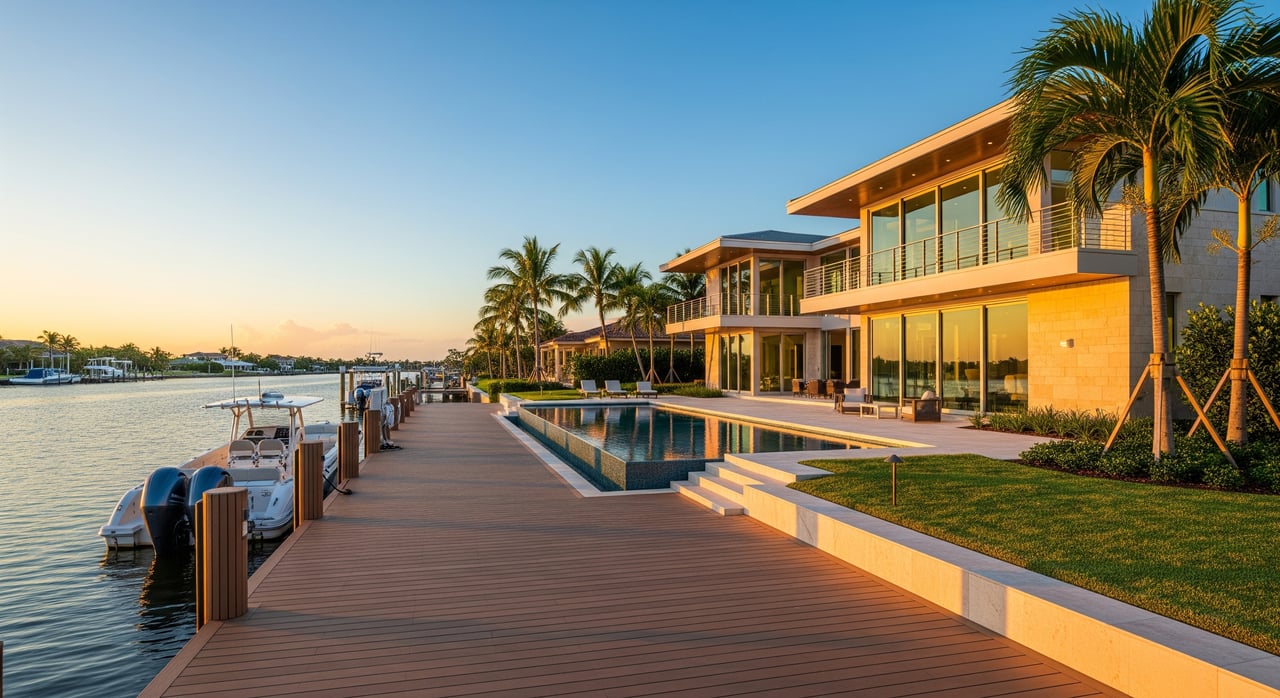
Is your Vero Beach waterfront home really worth what you think? On the coast, beauty and value do not always move in lockstep. You want a clear sense of what appraisers actually count so you can price smartly, negotiate with confidence, and plan upgrades that pay you back. In this guide, you’ll learn how waterfront appraisals work, which features add the most value in Vero Beach, and how to prepare so the right details shine. Let’s dive in.
How waterfront appraisals work
Appraisers lean on the Sales Comparison Approach for most single-family waterfront homes. They study recent nearby sales and adjust for differences like water exposure, dockage, condition, and lot size. When a property is newer or has unique coastal improvements, the Cost Approach helps measure the contributory value of items like seawalls and docks. If the home is an income property, the Income Approach can also factor in.
They evaluate “highest and best use,” marketability, and functional utility. For Vero Beach, that often means weighing the quality of the water view, the usability of the dock, the condition of the seawall, and how the home captures the setting. They select the best local comps, make market-supported adjustments, and reconcile to a final value that reflects how buyers actually behave.
What adds value in Vero waterfront
Water frontage and orientation
Direct oceanfront typically commands a premium for uninterrupted views and beach access. Indian River Lagoon frontage also earns strong value for protected boating, calmer waters, and dock potential. Wider shoreline footage and deeper lots tend to increase utility and value, while narrow or irregular lots can limit dock placement and reduce market appeal. Orientation matters too: sunrise or sunset views, wind exposure, and how the home sits on the site all influence desirability.
Dockage and water depth
A permitted, well-built dock with safe access and a working boat lift is a high-impact amenity. Appraisers look at navigable depth at mean low water, proximity to open channels, and any local speed or no-wake limits that affect utility. The type and condition of the dock, lifts, finger piers, and available shore power or water also matter. If HOA rules or permitting constraints limit dock construction, the potential value of “dockable” water can be reduced.
View quality and view capture
Full, unobstructed views receive the strongest premiums. Partial or obstructed views from mangroves, neighboring structures, vegetation, or bridges carry smaller adjustments. Appraisers also note how well the interior captures the water: when primary rooms and main living spaces frame the view, the market response is typically stronger.
Seawalls and shoreline stability
A permitted, well-maintained seawall that meets current standards is a clear asset. An older, failing, or unpermitted seawall is a liability and often triggers a downward adjustment that reflects realistic repair or replacement costs. Appraisers also consider regulatory limits on repair or replacement that might affect timing, scope, and expense. Elevation, flood risk, and erosion concerns are noted and reflected as the local market responds to them.
Renovation quality and permits
Quality wins over quantity. Documented, permitted work tends to earn stronger positive adjustments than basic or unpermitted upgrades. Coastal-ready features like impact windows and doors, corrosion-resistant materials, and wind-resistant roofing have strong market acceptance. System upgrades to roof, HVAC, electrical, and plumbing carry extra weight in a salt-air environment.
Utilities and access
Public sewer is typically preferred in Florida, while septic can reduce flexibility and marketability. Reliable water, wastewater, and good drainage support value, while repeated flooding or poor drainage can work against it. Appraisers also review access, easements, and water rights where applicable.
Insurance, flood zones, and financing
FEMA flood zones and finished-floor elevation influence flood insurance costs and buyer financing. Appraisers note these factors, and their value impact shows up when local comps demonstrate buyer sensitivity to insurance and risk. In higher-risk locations, fewer willing lenders or insurers can narrow the buyer pool and affect value.
Vero Beach micro-markets
Lagoon vs oceanfront
Indian River Lagoon buyers often prioritize boating, calm waters, and deeper dockage, so dock usability and channel depth are central. Oceanfront buyers prioritize beach access, direct views, and an elevated coastal lifestyle, but also weigh higher exposure to wind, salt spray, and potential erosion. Because the buyer pools and motivations differ, appraisers usually keep comps within the same waterfront type when possible.
Micro-location effects
Small differences within South, Central, and North Vero can influence value, including proximity to marinas, boat ramps, restaurants, and downtown conveniences. Local conservation areas, speed zones, or no-wake restrictions can shape how easily you can use a dock. Appraisers measure these factors by observing how nearby sales performed and how buyers reacted.
Market liquidity and buyer profiles
Waterfront buyers in Vero are a mix of local second-home owners, retirees, and out-of-state lifestyle seekers. They often watch ongoing costs like insurance and maintenance. When true apples-to-apples comps are limited, appraisers may use slightly older sales or make larger, well-supported adjustments to bridge gaps, which can increase uncertainty.
How appraisers adjust
Appraisers start with the best local comps and adjust for big-ticket waterfront differences. Typical adjustments include the presence or absence of waterfront, view quality, dock and boat lift condition, seawall status, lot frontage, renovation quality, and flood elevation or FEMA zone. They support the adjustments with paired sales, contractor estimates, and market interviews when needed, then reconcile to the number that best mirrors market behavior.
Prepare for your appraisal
Use this easy checklist to make your waterfront value clear:
Documentation
- Recent survey and legal description showing shoreline frontage and any water rights.
- Permits and final inspections for docks, seawalls, and renovations.
- Elevation Certificate and flood zone documentation.
- Engineering reports for seawall or dock repairs.
- Maintenance records and receipts for roof, HVAC, and major systems.
- Clear photos of water views from key rooms and the condition of dock and seawall.
- HOA rules or county restrictions that affect dock use or beach access.
- A short list of recent, truly comparable waterfront sales.
On-site presentation
- Stage main rooms to highlight view corridors.
- Ensure safe, easy access to the dock and shoreline for inspection.
Proactive fixes
- If a seawall is aging, secure at least one current contractor bid for needed work.
- If any work lacks permits, discuss realistic steps for retro-permitting or disclosure.
Insurance clarity
- Have current policy details and costs on hand. Appraisers do not set insurance rates, but buyer sensitivity shows up in comps.
Evidence that strengthens adjustments
Provide relevant, credible documents that help an appraiser support value:
- Recent local sales that isolate premiums for a dock, lift, full view, or updated seawall.
- Contractor bids or engineer reports for seawall repair or dock replacement.
- Surveys confirming shoreline footage and any encroachments.
- Elevation Certificates showing finished-floor elevation relative to base flood elevation.
- Permit records verifying docks, seawalls, additions, and major renovations.
Bottom line for Vero sellers and buyers
On the water, small details can swing value in a big way. In Vero Beach, the strongest premiums tend to flow to unobstructed views, usable and permitted dockage with good depth, sound seawalls, quality coastal upgrades, and favorable flood and utility profiles. Come prepared with documentation, highlight the view and dock utility, and be proactive about known issues. It will help the appraisal reflect the true market appeal of your home.
If you want a clear, local plan to maximize your waterfront outcome, reach out to Kathleen Provancher for concierge-level guidance aligned with how appraisers and buyers value Vero Beach waterfront.
FAQs
What matters most in a Vero waterfront appraisal?
- Appraisers focus on recent local comps and adjust for view quality, dock usability and water depth, seawall condition, renovation quality, utilities, flood risk, and micro-location.
How do docks influence value on the Indian River Lagoon?
- A permitted, well-maintained dock with navigable depth and a functional lift typically adds value, while a deteriorated or unpermitted dock can reduce value.
Do oceanfront lots appraise higher than lagoon-front lots?
- Oceanfront often carries a premium for direct views and beach access, while lagoon-front excels for protected boating and dockage. Appraisers use comps within each market to reflect buyer preferences.
How do seawall issues affect appraisal value?
- A sound, permitted seawall is an asset. A failing or unpermitted seawall is usually adjusted downward based on realistic repair or replacement costs.
Will a partial water view get the same value as a full view?
- No. Full, unobstructed views generally earn the highest premiums, while partial or obstructed views receive smaller adjustments.
Can luxury renovations offset a poor site or low elevation?
- High-quality, permitted renovations help, but site limits like narrow frontage, low elevation, or lack of legal dock rights can still cap value.
How do flood zones and insurance impact value in Vero Beach?
- Appraisers note FEMA flood zones and elevation, and market data often reflects buyer sensitivity to insurance costs. The impact appears through local comparable sales.