Are you drawn to Vero’s Oceanside lifestyle and researching oceanfront condos just down the shoreline? Oceanique on North Hutchinson Island often lands on the shortlist for Indian River buyers who want big views, modern layouts, and a resort feel. Sorting out building differences, HOA fees, rental rules, and upcoming inspections can feel overwhelming. This guide gives you clear, research-backed answers on Oceanique so you can move forward with confidence. Let’s dive in.
Oceanique location and setup
Oceanique sits directly on the sand on North Hutchinson Island, with addresses commonly shown as 4160 and 4180 N Highway A1A in the Fort Pierce 34949 area. The community presents as a multi-building, mid-rise oceanfront complex. You will see references to Building A and Building B in listing and public records.
Because Oceanique spans more than one building and unit lines vary, always confirm the exact building and unit number on any condo you consider. When you request resale documents, use the correct building identifier and unit number to avoid delays.
The association is listed as Oceanique Oceanfront Condominium Association, Inc., with professional management by Elliott Merrill. For estoppels, fee confirmation, and official documents, you can use the management contact listed in the public HOA directory for Oceanique’s association. That directory is a helpful starting point for owner and buyer requests.
- Reference: You can find the association name and manager in the public HOA directory entry for Oceanique Oceanfront Condominium Association, Inc. at the Florida HOA directory.
Floor plans and interior features
Most Oceanique homes are large three-bedroom condos marketed to second-home and lifestyle buyers. Typical published sizes run about 2,300 to 2,833 square feet, with select floor plans offering a bonus den or office and multiple balconies. Exact square footage can vary by building and line, so verify with tax rolls and recorded plans before you finalize numbers.
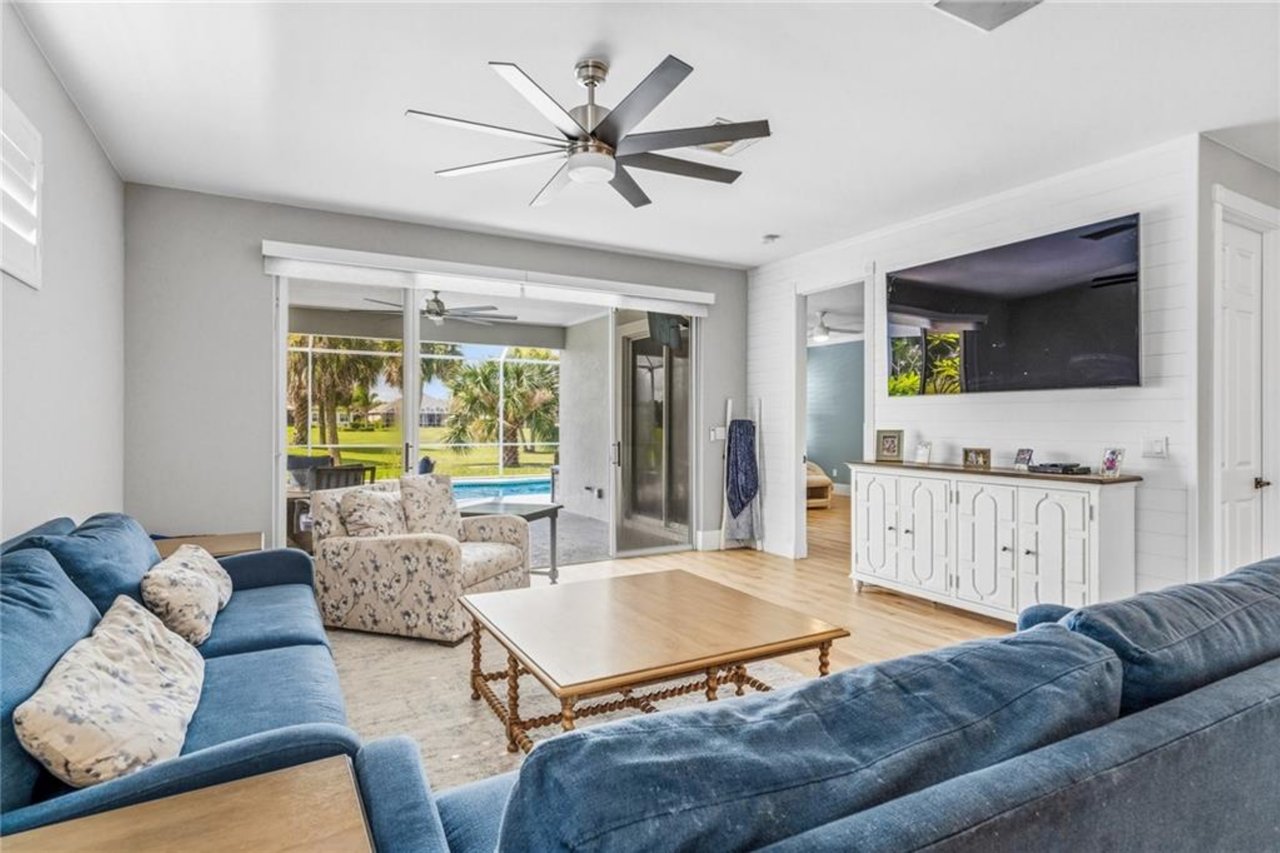
Inside, listings often highlight open kitchen and living areas, upgraded stone counters, high-end appliances, spacious primary suites with spa-style baths, and a full-size laundry room. Many units note impact glass or storm shutters, which matter on the coast. Generous covered balconies or wraparound terraces are common.
Private garage parking and a separate storage cage are frequently included or available, and they add meaningful value for longer stays and for vehicle protection from salt air. Always confirm what is deeded versus assigned in the association records, since that can affect value and monthly allocations.
Amenities and services on site
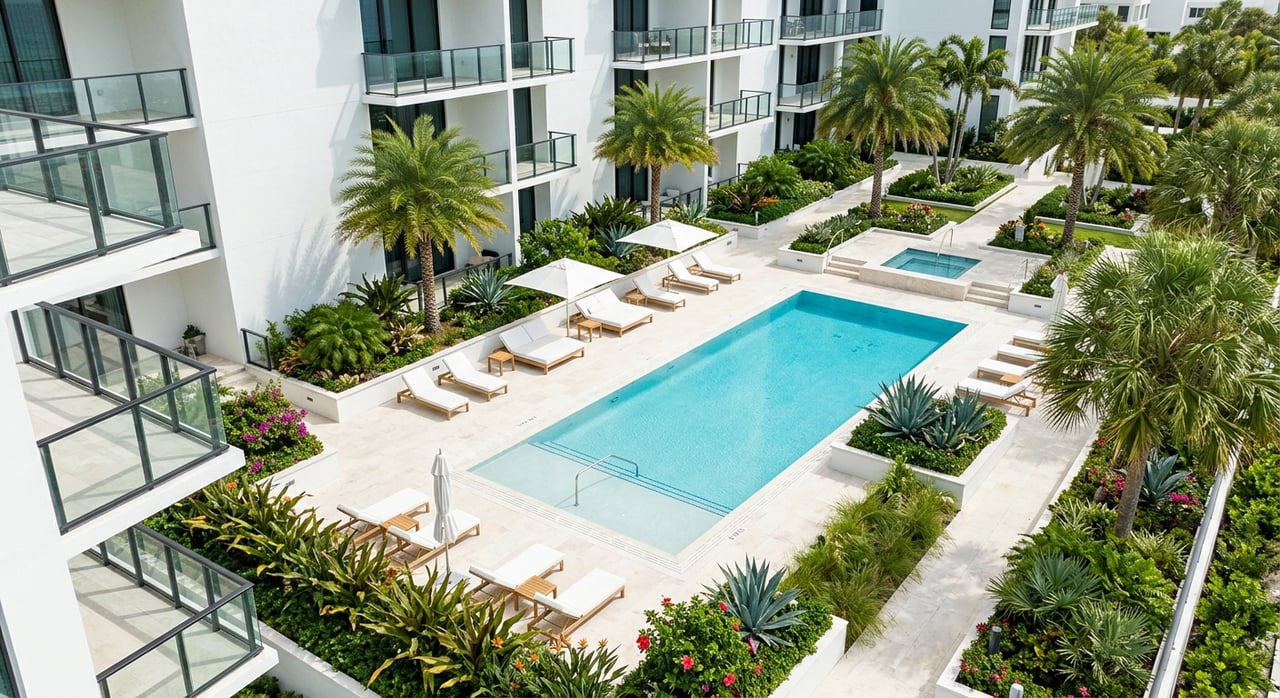
Oceanique’s amenity package reads like a private beach resort. Buyers typically find:
- Direct dune or beach walkover access
- Heated pool and spa
- Clubhouse or community room
- Fitness center
- Billiards, media room, and library spaces
- Tennis and pickleball courts
- Outdoor kitchen or firepit areas
- Elevators and controlled access entries
Some listings mention convenient extras such as EV charging or a car-wash area. Verify which amenities are owned and maintained by the association and which might be licensed or vendor-operated. This detail shows up in the resale package and annual budget notes.
Day-to-day operations are typically handled by professional management. Common responsibilities in association descriptions include exterior maintenance, master insurance, common-area utilities, and amenity upkeep. The exact inclusions can differ by building budget, so request the current year budget and the association’s “fee includes” breakdown.
HOA fees, reserves, and rules
What fees cover and why they vary
Public listing data for Oceanique shows meaningful variation in monthly fees by unit size and by building. That is normal for multi-building coastal communities. Expect your monthly figure to reflect unit square footage, amenity allocations, and current insurance premiums.
Common inclusions in monthly fees often include master/building insurance, exterior maintenance, common-area utilities, amenity upkeep, and contributions to reserves. To avoid surprises, rely on the official estoppel and budget from the association rather than any single website’s estimate.
Reserves and new Florida inspection rules
Florida law now requires milestone inspections and structural integrity reserve studies for many multi-story condo buildings. As a buyer, you should receive relevant inspection and reserve documents in the resale package. Ask for the most recent reserve study and any milestone inspection summaries so you can understand planned projects, timelines, and funding status. You can review the key condo statute sections in Florida Statutes Chapter 718.
Rental policy and seasonal demand
If you plan to rent your condo, Oceanique’s rules matter. Many listings show a minimum lease term of 3 months, and seasonal demand is strongest January through April. Before you underwrite rental income, confirm in writing the minimum lease length, how many times per year you can lease, the tenant approval process, and any registration fees. If a unit has rental history, request a 12 to 24 month ledger and future bookings.
Market signals and recent sales
Recent public sales histories show three-bedroom Oceanique resales trading from the high six figures into the low seven figures, depending on floor, exposure, condition, and garage or storage assignments. For example, a three-bedroom unit was recorded as closed in February 2025 around 1.28 million. Larger corner plans on higher floors with premium views can command top-of-market prices, while mid-floor or smaller three-bedroom layouts may transact lower.
Annual property taxes on high-value units in this area often appear in the five figures and can range widely based on assessed value, exemptions, and timing of the last sale. Always verify the current tax bill for the specific unit you are evaluating.
How Oceanique compares nearby
- Construction era and design: Oceanique’s buildings were completed in the late 2000s, which is newer than many mid-island towers from the 1980s and early 1990s. Newer construction often means larger initial mechanical systems and more modern floor plates, though all coastal buildings face ongoing maintenance cycles.
- Space and privacy: Oceanique tends to offer larger three-bedroom footprints than many neighboring mid-rise buildings where two-bedroom and smaller three-bedroom plans are common. Fewer units per floor can translate to quieter hallways and more privacy, depending on the line.
- Maintenance cycles: Many oceanfront communities on Hutchinson Island have addressed or are planning capital projects like concrete restoration, elevator modernization, balcony waterproofing, or roof work. Oceanique’s era may shape its near-term project profile, but it is not exempt from periodic major repairs. Review reserve studies, budgets, and board minutes for upcoming scopes.
Costs to budget early
Set clear expectations early in your search by penciling in these line items:
- Monthly HOA fees that reflect unit size and coverage
- Master insurance deductibles allocated to owners if applicable
- Property taxes based on assessed value and timing of purchase
- Flood insurance or additional condo coverage for contents and interior improvements
- Potential special assessments for capital projects
Request the master insurance certificate to understand coverage limits and wind or hurricane deductibles. Large deductibles can affect out-of-pocket costs if the building experiences a storm event.
Buyer due-diligence checklist
Before you write an offer, ask the seller or manager for these items, and review them carefully. Each comes from standard Florida condo resale practice and applies to Oceanique’s buildings.
Resale and estoppel package. Confirm the current monthly fee, any arrears, and pending or approved special assessments. Florida’s condo statute outlines required resale disclosures. See Florida Statutes Chapter 718.
Governing documents. Obtain the Declaration, Bylaws, Articles of Incorporation, and current Rules and Regulations. These define rental minimums, frequency limits, pet and parking policies. See Florida Statutes Chapter 718.
Current year budget and recent financials. Review the operating budget, most recent year-end financials, and the last 12 months of board meeting minutes for clues about capital projects, vendor issues, or insurance changes. See Florida Statutes Chapter 718.
Reserve study and milestone reports. Ask for the most recent reserve study and any Structural Integrity Reserve Study or milestone inspection summary, including Phase 2 reports if applicable. See Florida Statutes Chapter 718.
Master insurance certificate. Review coverage limits and deductibles, including wind and hurricane deductibles, and ask how claims are handled across the building.
Special assessments and litigation status. Request a written list of any pending or recently passed assessments and how they will be collected at closing. Ask for a summary of any active lawsuits.
Parking, garage, and storage rights. Confirm what is deeded versus assigned. Get documentation on garage spaces, surface parking, and storage cages.
Rental history and rules. If you plan to rent, ask for a 12 to 24 month rental ledger, current bookings, and the written rental policy that covers minimum stay, frequency, and tenant approval.
Flood zone and elevation. Verify the property’s FEMA flood zone and any Elevation Certificate. If none is available, obtain insurance quotes that include flood coverage before finalizing your numbers. Use FEMA’s Flood Map Service Center to confirm the current flood zone for the specific address.
Manager and professional contacts. Keep the community manager’s contact handy for estoppels and document requests. If structural items are disclosed, request contacts for the association’s attorney or engineer. The Florida HOA directory entry for Oceanique lists the association and management details.
- Helpful references for this checklist:
- Florida Statutes Chapter 718 on condominium governance and resale disclosures
- FEMA Flood Map Service Center for flood zone verification
- Florida HOA directory listing for Oceanique’s association and manager
Is Oceanique the right fit for you?
Choose Oceanique if you want a spacious oceanfront condo with resort-style amenities, on-site management, and the option to host extended seasonal stays under the association’s leasing rules. You will appreciate the larger three-bedroom layouts, generous balconies, and storage or garage options that make second-home living feel seamless. Take the time to verify the building line, confirm fees and what they include, review reserves and milestone documents, and read the rental policy closely if income is part of your plan.
If you are moving from Vero’s Oceanside neighborhoods or expanding your search just south to North Hutchinson Island, you will find Oceanique a compelling balance of space, amenities, and coastal access. A clear due-diligence process protects your peace of mind and positions you to act quickly when the right unit comes on the market.
Ready to explore Oceanique with a local advisor who understands barrier-island living and Indian River micro-markets? Reach out to Kathleen Provancher for concierge-level guidance, from document review to offer strategy and remote closing support.
FAQs
Where are Oceanique condos located?
- Oceanique is a direct oceanfront condo complex on North Hutchinson Island with addresses commonly listed as 4160 and 4180 N Highway A1A in the Fort Pierce 34949 area.
What are typical Oceanique floor plans and sizes?
- Most offerings are large three-bedroom condos, commonly marketed around 2,300 to 2,833 square feet, with some lines including a den or multiple balconies.
Are short-term rentals allowed at Oceanique?
- Listings typically show rentals allowed with restrictions, often a 3-month minimum stay; confirm the written rental policy, frequency limits, and tenant approval steps in the association documents.
What do Oceanique HOA fees usually include?
- Fees often cover master insurance, exterior maintenance, common utilities, amenity upkeep, and reserve funding, but inclusions vary by building budget; verify via the current estoppel and budget.
How do Florida’s condo inspection rules affect buyers?
- Many multi-story condos must complete milestone inspections and structural integrity reserve studies; request these reports with your resale package per Florida Statutes Chapter 718.
How does Oceanique compare to older nearby buildings?
- Oceanique’s late-2000s construction and larger three-bedroom footprints contrast with many 1980s–1990s towers that feature smaller plans; still, all oceanfront buildings face periodic capital projects.
What due diligence should I complete before offering?
- Ask for the estoppel, governing docs, budget and financials, reserve and milestone reports, master insurance, assessment and litigation status, parking and storage rights, rental history, flood zone data, and manager contacts.
What property taxes should I expect at Oceanique?
- Annual taxes vary by assessed value and exemptions; high-value units often show five-figure tax bills. Verify the current tax bill for the specific unit you are considering.
References and helpful links:
- Florida Statutes Chapter 718 on condominiums: Condominium Act overview and disclosures
- FEMA Flood Map Service Center: Find your current flood zone
- Florida HOA directory entry: Oceanique Oceanfront Condominium Association contact