Thinking about listing your Riomar home and wondering what price will attract the right buyers without leaving money on the table? You are not alone. Luxury coastal properties move differently than the broader market, and small details can swing value in big ways. In this guide, you will learn how to set a confident price, what data to gather, and how to use timing and presentation to your advantage. Let’s dive in.
Why Riomar pricing is different
Riomar sits within a thin luxury segment where inventory is limited and every sale matters. Fewer comparable sales mean each comp carries more weight, and pricing requires careful adjustments for waterfront and lifestyle attributes. Demand often peaks from November through April when seasonal and out of state buyers are most active, which can influence timing and days on market.
Buyer profiles vary. You will see cash buyers, jumbo mortgage borrowers, and 1031 exchange investors in the mix. Higher interest rates can cap financed buyers, while cash buyers may be less sensitive to appraisals. The result is a market where a documented, data first approach helps you defend your price with any buyer type.
Key value drivers to document before you price
Waterfront and access
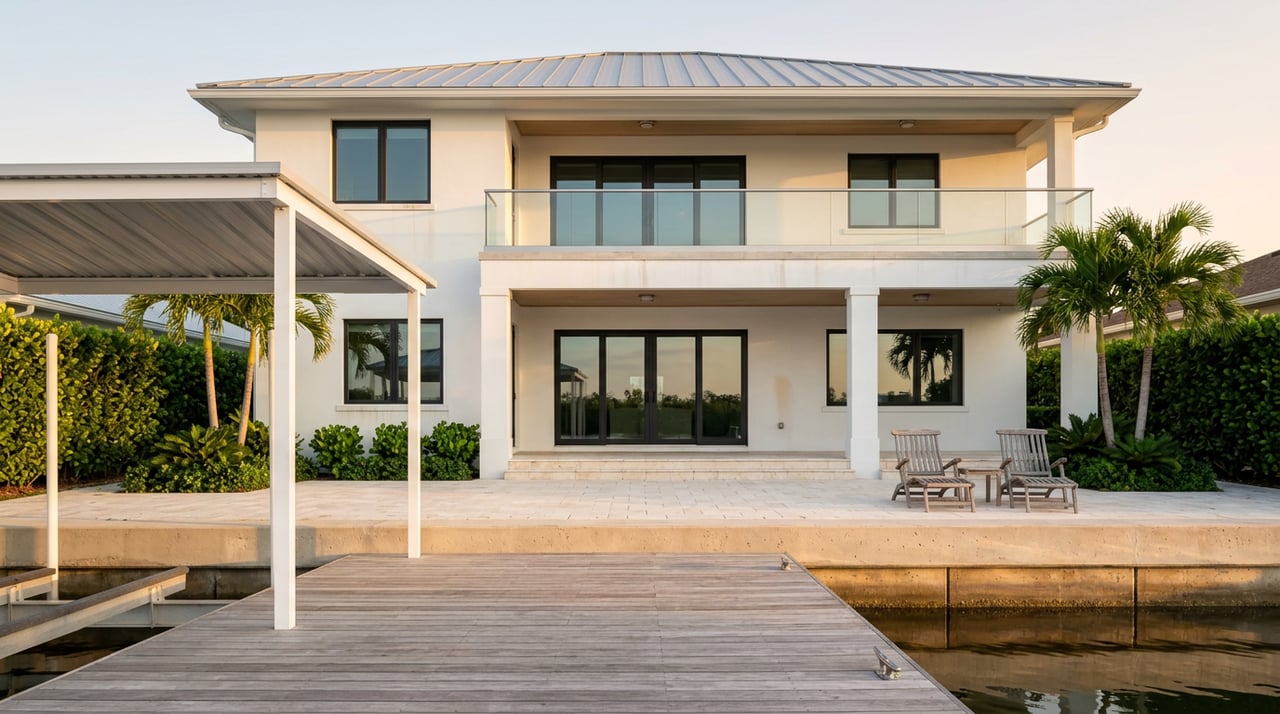
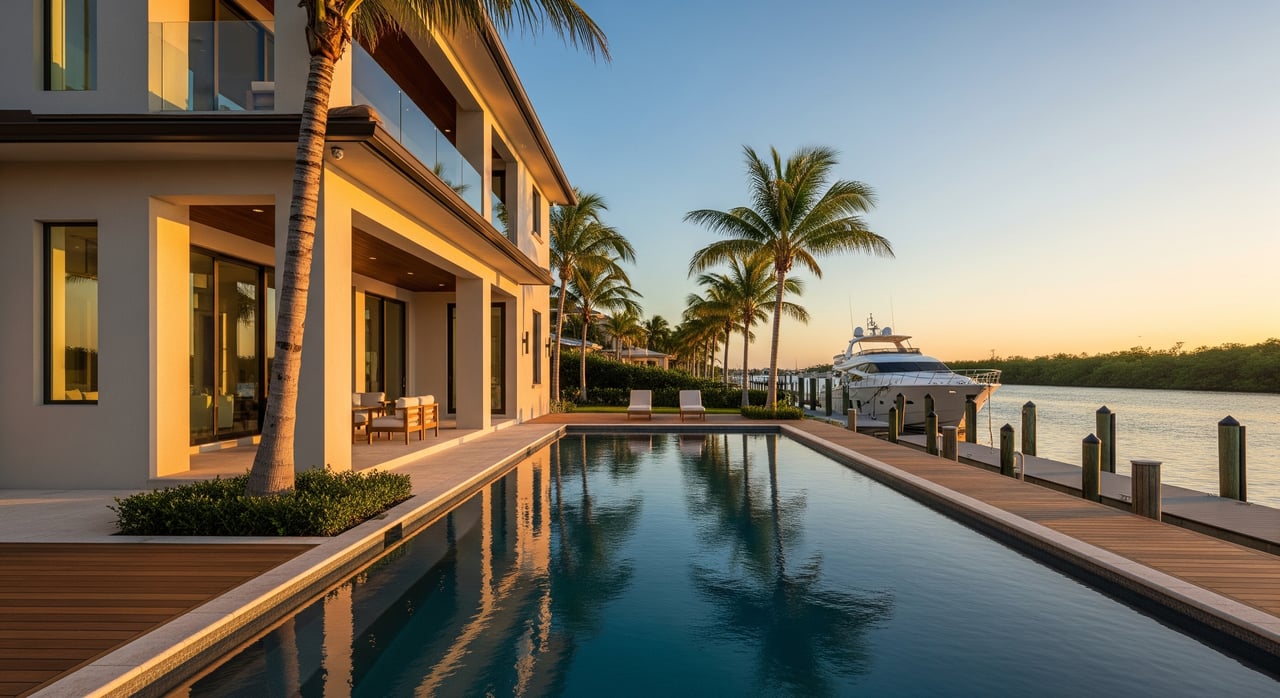
Water orientation shapes value. Direct riverfront, intracoastal, canal, or lagoon frontage all carry different premiums. Depth and bridge clearance to open water, the condition of docks or boathouses, and the number and size of slips are major pricing components. In some cases, sellers and agents reference price per linear foot of waterfront alongside the home’s features.
Seawall and shoreline integrity
Seawall age, condition, and recent engineering or repairs influence buyer confidence. Buyers tend to discount when seawall work is likely or permits are unclear. Have recent documentation ready, including any permits and contractor reports.
Flood zone, elevation, insurance
FEMA flood zone designations like AE or VE, the Base Flood Elevation, and the home’s actual elevation drive insurance requirements and costs. Elevation improvements and mitigation features can support stronger pricing. Long term sea level and inundation risk are part of some buyer conversations, so be prepared with clear facts and disclosures.
Lot and privacy
Lot size, orientation, and privacy matter. Larger parcels, lush buffering, and desirable exposures across the water can command premiums. Sunset or southern exposures may be especially appealing for outdoor living.
Home condition and luxury features
New construction and fully renovated homes with high end finishes, smart systems, elevators, impact rated windows and doors, generators, and resort level outdoor areas tend to lead price bands. Buyers pay for truly turn key presentation.
Community and carrying costs
Gated entries, private beach access, community marinas, and common area maintenance can boost desirability, while HOA fees become part of the buyer’s total cost picture. Property taxes, special assessments, and recent reassessments should be accounted for when you consider a buyer’s net.
Build a data backed price range
The right comps
Start with 6 to 12 months of closed luxury sales, then expand your window if comps are scarce. Track sale price, price per square foot, linear waterfront footage, lot size, year built and effective age, dock and slip details, seawall condition, elevation, FEMA zone, days on market, and list to sold ratio. Review active and pending listings to understand your competition and price bands.
Adjustments that matter
Make explicit adjustments for waterfront type and access, dock capacity, seawall condition, elevation and flood zone, renovation level, and unique lifestyle features. Document each adjustment so you and your buyer prospects can see how you arrived at your range.
Secondary metrics to cross check
When homes vary widely in size, also consider price per waterfront foot and price per usable lot acre. Use paired sales when possible to isolate the value of a single feature, such as a dock or a recent renovation, to add precision to your analysis.
When comps are scarce
Luxury markets often have thin data. In those cases, expand the radius carefully, time adjust older sales, and use a clear narrative that ties your adjustments to real features and market response. Appraisers may be limited to recent, nearby comps for financed buyers, so a strong market narrative and documented interest can help bridge gaps.
Strategic pricing frameworks that work in Riomar
Anchor vs aspirational pricing
Anchor pricing uses adjusted comps to position your home for a faster sale and potential competitive interest. It can shine when inventory is balanced and your property aligns closely with recent sales. Aspirational pricing aims high for unique properties or when you are not time sensitive. It can work when the home has rare attributes, but it often increases days on market and buyer scrutiny. Choose your approach with your timing and goals in mind.
Price banding and search thresholds
Many buyers search in neat price brackets, such as under 2 million or under 3 million. Small adjustments that position your home just inside a common filter can increase exposure. Fractional pricing, such as 2,995,000 instead of 3,000,000, can place your home in the right search bucket, but set this against luxury buyer expectations and the value story you are telling.
Seasonal timing
Riomar’s luxury demand often peaks November through April. Listing into the season can raise traffic, although it also increases competition from new inventory. Off season listings can work when pricing is sharp and marketing is targeted. Align your launch with market conditions, not just the calendar.
Pre listing prep that lifts the number
High end buyers expect clarity and presentation. Pre listing inspections for roof, seawall, septic, and mechanical systems can prevent surprises and reduce discounts during negotiations. Address obvious deferred maintenance, or secure contractor bids so buyers understand options and costs.
Invest in premium staging where it matters. Professional photography, including drone and twilight images, precise floorplans, and a well produced video tour set the tone. Luxury buyers respond to turn key experiences, and great presentation helps you defend a strong price.
Launch and adapt without losing leverage
Targeted distribution and privacy
Some Riomar sellers prefer more selective exposure. Pocket style strategies and outreach to qualified luxury networks, broker groups, and relocation partners can surface serious buyers who value privacy. Pair this with global distribution when appropriate to reach international and out of state prospects.
Monitoring signals and making moves
Track showings, feedback, online engagement, and inquiries within the first few weeks. Compare your activity to similar listings. If the market response lags the comp set, avoid repeated small price cuts that signal weakness. A single meaningful adjustment, paired with refreshed media and messaging, is usually more effective.
Negotiation levers
Secure proof of funds or pre approvals early, especially for multiple interest. Consider short term incentives like a brief post closing occupancy or selective inspection contributions rather than outright price concessions. Your goal is to protect net proceeds while keeping the deal moving.
Risk and disclosure items that affect price
- Flood readiness and insurance: Know your FEMA flood zone, elevation, and estimated annual flood and wind premiums. Buyers weigh these recurring costs alongside the purchase price.
- Seawall, dock, and permits: Confirm permits and maintenance history. Unpermitted structures or deferred seawall work often result in price concessions.
- Coastal regulations: Setbacks, marine construction rules, and stormwater requirements can limit future expansion. Buyers discount when they see constraints.
- Taxes and assessments: Verify recent assessments and any special assessments so buyers are not surprised.
- Legal and title items: Clarify riparian rights, access easements, and covenants that affect use or dock size.
- Climate disclosure trends: Some buyers look for sea level and recurrent flooding information. Clear, proactive documentation builds trust and helps prevent post closing issues.
Practical checklist for Riomar sellers
Data and documents
- Pull 12 to 24 months of closed, active, and pending waterfront sales in your segment.
- Obtain parcel details, elevation, permit history, and tax history from county records.
- Confirm FEMA flood zone and secure an elevation certificate if available.
- Gather seawall and dock permits, inspections, and repair records.
- Estimate annual flood and wind insurance premiums through local carriers.
- Compile HOA covenants, fees, and amenity details.
Pre listing readiness
- Complete targeted repairs or get contractor bids for major items.
- Schedule professional photos, drone and twilight shoots, floorplans, and video.
- Assemble a disclosure packet with recent inspections, warranties, and permits.
- Consider a pre listing appraisal or broker price opinion if you want conservative confirmation of value.
Pricing and launch
- Create a comp set with clear dollar adjustments for waterfront type, dock capacity, seawall condition, elevation, and modernization.
- Decide on anchor or aspirational pricing based on goals and uniqueness.
- Map search thresholds and seasonal timing to your price.
- Define a metered reduction strategy before launch to avoid reactive cuts.
Post launch optimization
- Review showing counts, feedback, and online engagement weekly against the comp set.
- Refresh marketing or adjust price once if activity trails expectations.
- Prepare to manage multiple offer scenarios, including appraisal gaps and escalation terms.
How Team Provancher helps you price with confidence
You deserve a pricing strategy as refined as your property. Team Provancher pairs hyperlocal micro market expertise on Vero Beach’s barrier island with the global reach of a leading luxury brokerage network. You get a data backed price range, an honest discussion of trade offs between speed and maximum return, and a concierge plan to elevate presentation, manage repairs, and keep the process seamless.
From neighborhood microsites and modern digital tools to discreet outreach across luxury networks, the strategy aligns your price, timing, and marketing to the pool of qualified buyers most likely to pay a premium. When you are ready to discuss a pricing plan for your Riomar home, connect with Kathleen Provancher. Get Your Instant Home Valuation.
FAQs
What drives Riomar waterfront pricing the most?
- The type of water frontage, dock capacity and access, seawall condition, elevation and flood zone, lot size and privacy, and the home’s renovation level are primary drivers.
How do flood zones affect my listing price?
- FEMA zone, Base Flood Elevation, and the home’s elevation influence insurance costs and lender requirements, which can raise or lower buyer demand and support for your price.
When should I choose aspirational pricing?
- Consider it when your home is truly unique, you can wait longer for the right buyer, and you have documentation that supports a premium, such as rare waterfront features or major upgrades.
What if there are very few comparable sales?
- Expand the time or geography slightly, apply objective adjustments, use paired sales to isolate key features, and present a clear market narrative to support value for appraisers and buyers.
How does seasonality play into Riomar pricing?
- Buyer activity often rises from November to April, which can compress days on market. Off season listings can work with sharp pricing and targeted marketing.
Should I repair items or sell as is?
- Pre listing inspections help you decide. Addressing high impact items or providing bids often prevents deeper buyer discounts during negotiations.
How do I value a dock or boathouse?
- Compare recent sales with similar water access, slips, and dock condition. Use paired sales when possible and document adjustments tied to capacity and permits.
What is the best way to handle price reductions?
- Avoid multiple small cuts. If needed, make one meaningful adjustment and reintroduce the listing with refreshed media and messaging to reset buyer attention.