Is your perfect Vero Beach lifestyle on the barrier island better served by a low‑maintenance condo or a private single‑family house? It is a big choice, and the right answer depends on how you plan to live, what you want to spend, and how much responsibility you want to take on. You deserve a clear, local view of the tradeoffs so you can buy with confidence in 32963. In this guide, you will compare real costs, insurance and flood considerations, upkeep, financing, rental rules, inspections, and next steps tailored to Vero’s barrier island. Let’s dive in.
Big picture: 32963 market context
Vero’s barrier island commands a coastal premium for beach access, ocean or river views, and walkability to dining and marinas. At the same time, coastal living brings higher insurance needs, more exposure to storms, and salt‑air wear that can raise maintenance costs. Buildable land is scarce, so single‑family homes often carry strong land value and privacy, while condos can offer a lower entry point near the water. Seasonal demand shapes both listing activity and rental interest, especially in winter.
Cost to buy and own
Purchase price reality
- Condos often provide a lower entry price into the island lifestyle, especially near the ocean or Intracoastal. You trade private land for shared amenities and common areas.
- Single‑family homes usually cost more because land, privacy, and views are scarce on the island. Block‑to‑block differences are real, so you should compare recent sales on the same stretch of the barrier island for accuracy.
Monthly and annual costs
- HOA/condo fees: Typically cover common area care, building insurance for common elements, and amenities like pools or elevators. Fees vary widely. Review the current budget and reserve study to understand what is covered and whether reserves are healthy.
- Property taxes: County tax rates apply to both. If this is your primary residence and you qualify, Florida’s homestead exemption may reduce taxes. Verify current procedures with the Indian River County Property Appraiser.
- Insurance: Coastal properties need wind and often flood coverage.
- Condos: The HOA’s master policy may cover the building shell and common areas. You still need an HO‑6 policy for your unit’s interior and personal property, plus flood coverage if required. Confirm what the master policy includes and the limits.
- Houses: You carry the full policy stack yourself, which can include homeowners with wind or wind‑only and separate flood coverage. Coastal hurricane deductibles are often a percentage of the insured value, not a flat dollar.
- Maintenance: Condos shift most exterior upkeep to the association, but you can face special assessments when reserves are short. Houses put all exterior, yard, roof, mechanical, and shoreline care on you. If there is a seawall or bulkhead, confirm who pays and the condition.
Insurance and flood risk
Barrier‑island parcels are frequently within FEMA Special Flood Hazard Areas. Lenders usually require flood insurance in those zones. Check the FEMA Flood Insurance Rate Map using the FEMA Flood Map Service Center and ask for an Elevation Certificate if available. If you need one, FEMA’s Elevation Certificate guidance explains how it is used.
Florida’s insurance is highly specialized on the coast. You will see wind/hurricane and flood treated separately, with percentage‑based hurricane deductibles that can be significant for higher‑value homes. The Florida Department of Financial Services offers helpful consumer resources on coverage options and shopping tips. Review the Florida DFS consumer insurance resources, and consider quotes from private carriers and Citizens Property Insurance Corporation if applicable. Wind mitigation features like shutters, reinforced roof ties, and secondary water barriers can reduce premiums.
For condos, verify the master policy and what your HO‑6 must cover, including any loss assessment coverage. For houses, get quotes for homeowners, wind, and flood before you finalize an offer so you can budget correctly.
Maintenance and capital responsibilities
Condos: what you handle
- The association typically covers exterior structures, roofing, common areas, and amenities. Definitions vary, so read the declaration and bylaws under Florida’s Condominium Act.
- Your risk is concentrated in special assessments tied to deferred maintenance or storm damage. Review the reserve study, budget, and recent meeting minutes for signals of upcoming projects.
- Ask for a resale or estoppel package that shows current dues, assessments, litigation, and insurance declarations.
Houses: what you handle
- You are responsible for the roof, exterior, yard, dock or seawall, driveway, and all mechanical systems. Salt air, humidity, and storms can accelerate wear.
- Shoreline elements can be major expenses. Get a seawall or bulkhead inspection and ask for repair histories and permits.
Financing and appraisal
Condos must meet lender project standards on items like owner‑occupancy, reserves, and litigation. Some programs allow single‑unit approvals if a project is not pre‑approved, but terms can be stricter. Houses typically follow standard single‑family lending if the property and borrower qualify.
Appraisals should use on‑island comparables to capture the coastal premium. Condo values can be sensitive to HOA health. Houses often hold long‑term value due to land scarcity, but both can be affected by storm history and insurance availability.
Rental rules and income potential
Short‑term rental (STR) allowances depend on both local rules and your HOA or condo documents. The City of Vero Beach and Indian River County maintain current ordinances and registration procedures on their official websites. Many condo associations restrict or limit STRs with minimum stay requirements or seasonal caps. Always confirm local ordinances and the association’s rental policy before assuming revenue.
Coastal construction and long‑term risk
Florida Building Code sets wind and flood standards, and newer construction may require higher elevations and more robust structural measures in coastal zones. Permits are often necessary for seawall work and dune or beach projects.
Sea level rise and coastal erosion are long‑term risks on barrier islands. To understand exposure and neighborhood differences, explore NOAA’s Sea Level Rise Viewer and combine that with local elevation data and FEMA maps. Your decision should factor in elevation, protective structures, and the age and condition of roofs and windows.
Which fits your lifestyle?
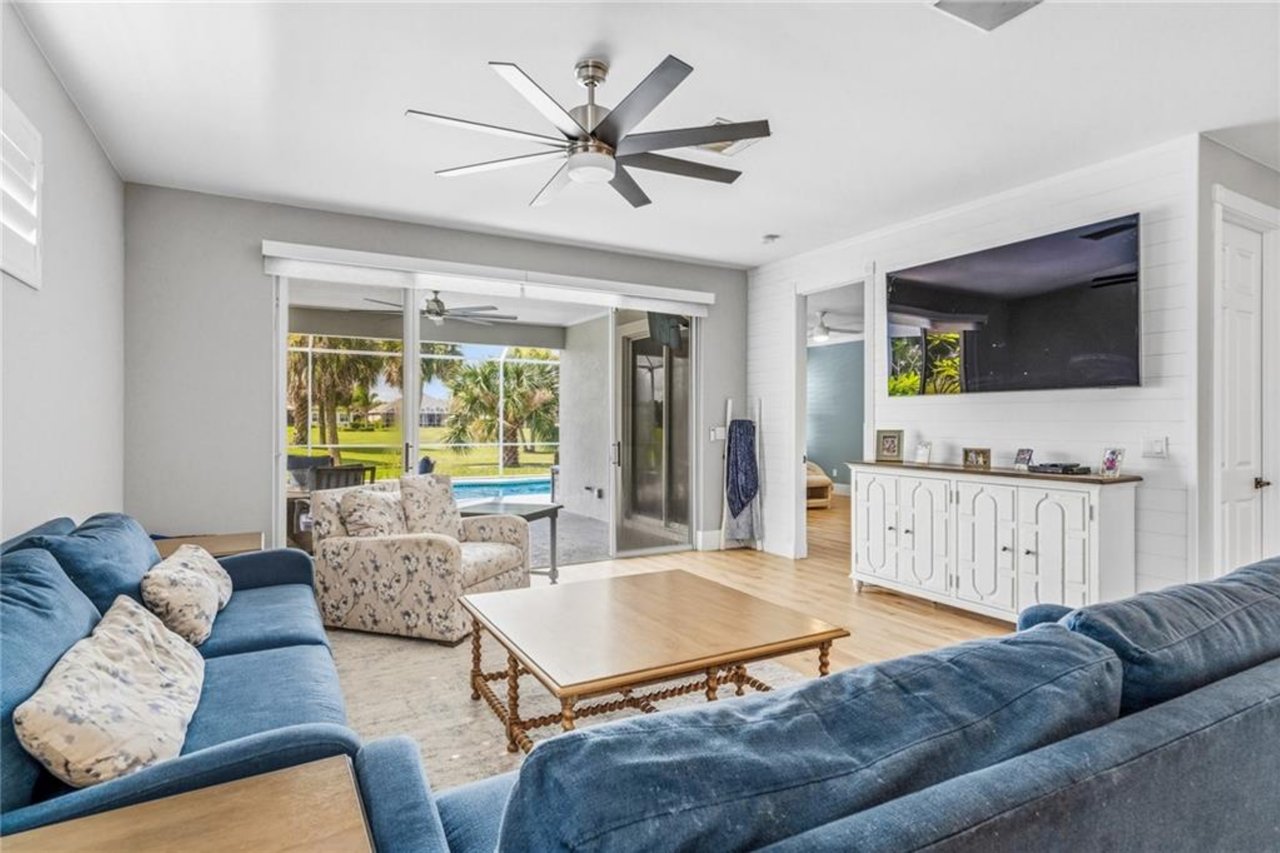
- Choose a condo if you want a lower entry price near the water, shared exterior maintenance, and on‑site amenities. Budget for HOA fees and the possibility of special assessments.
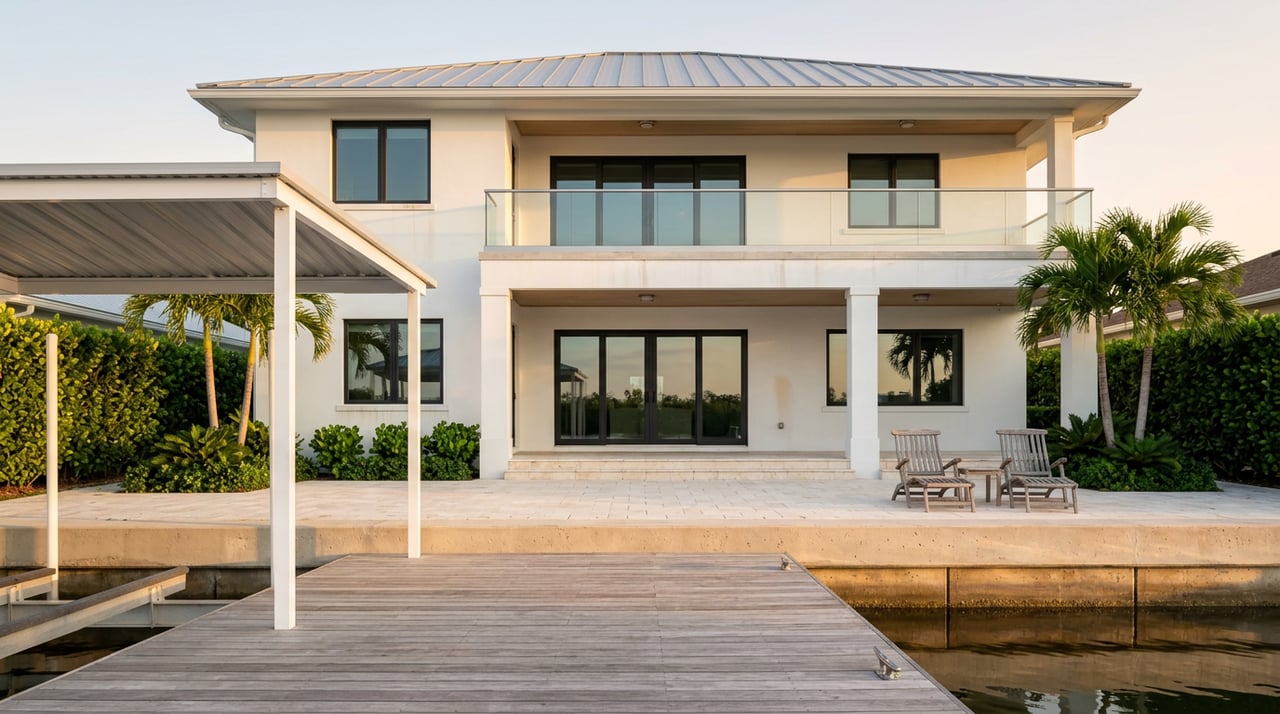
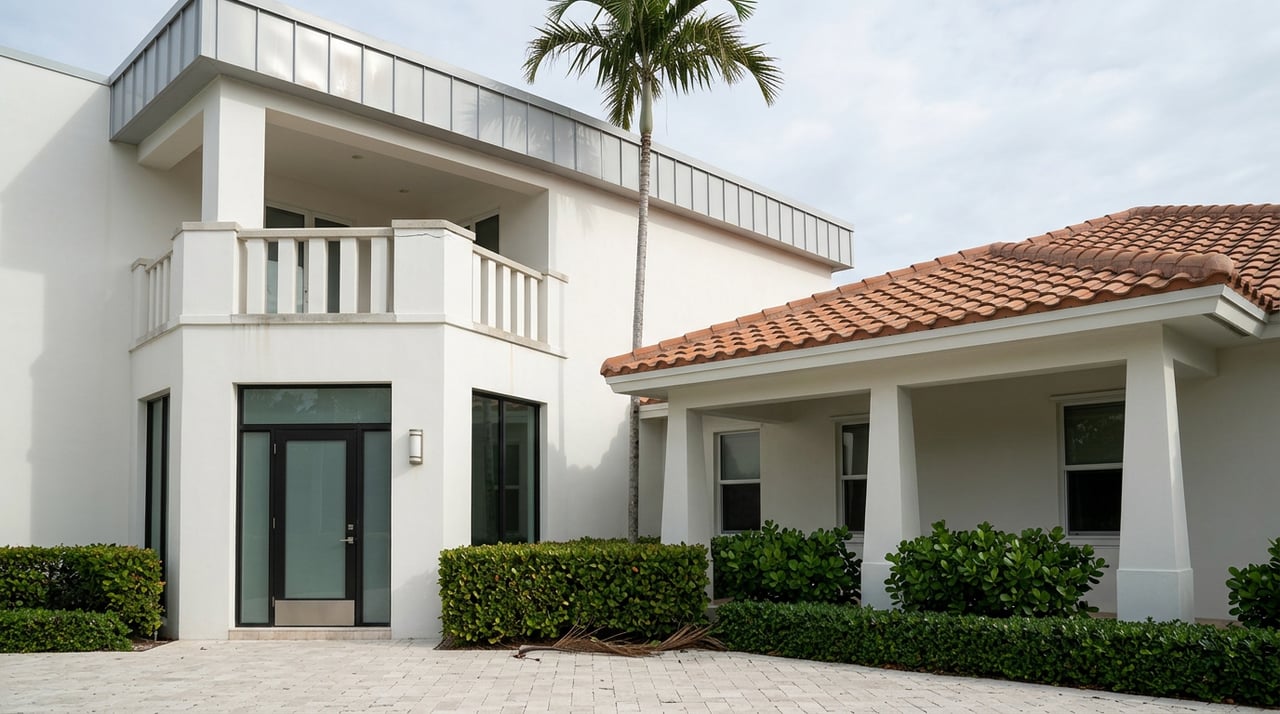
- Choose a house if you value privacy, land ownership, and control over improvements. Plan for higher maintenance, insurance, and any seawall or shoreline responsibilities.
- For both, your total cost of ownership depends on insurance, reserves or maintenance, and your tolerance for hands‑on upkeep.
Smart next steps in 32963
Use this quick checklist to move forward with clarity.
If you are buying a condo
- Request the complete resale package: financials, current budget, reserve study, insurance declarations, meeting minutes, rules, and litigation disclosures.
- Obtain an estoppel letter showing dues status and any assessments.
- Confirm the master policy scope, flood coverage for common elements, and your HO‑6 requirements.
- Verify rental policies and seasonal restrictions in writing.
- Ask your lender about condo project eligibility and any extra requirements.
- Inspect the unit and consider a mold/moisture inspection.
If you are buying a house
- Secure written insurance quotes for homeowners, wind or wind‑only, and flood policies.
- Order a roof inspection and confirm age and maintenance history of roof and HVAC.
- Get a seawall or bulkhead inspection and repair history; check permits for prior work.
- Review FEMA flood maps and obtain an Elevation Certificate if needed.
- Confirm zoning and allowable uses, including any STR restrictions.
For any property on the island
- Check your FEMA flood zone using the FEMA Flood Map Service Center.
- Review Florida insurance basics via the Florida DFS consumer insurance resources and compare options, including Citizens Property Insurance Corporation.
- Read association rules under the Florida Condominium Act, Chapter 718 and HOA guidance in Florida Statutes, Chapter 720.
- Consider long‑term coastal exposure with NOAA’s Sea Level Rise Viewer.
- Verify homestead eligibility and tax procedures with the county property appraiser.
Ready to compare specific buildings or streets on Vero’s barrier island? You will benefit from local, block‑level comps, current HOA financials, and real insurance quotes. If you want a calm, concierge process backed by micro‑market expertise and global reach, connect with Kathleen Provancher for tailored guidance.
FAQs
What is usually cheaper to buy in 32963, a condo or a house?
- Condos typically have lower purchase prices than single‑family homes, but your total cost of ownership depends on HOA fees, insurance, and maintenance.
How do HOA fees affect my total cost on the barrier island?
- HOA fees can cover exterior upkeep, amenities, and some building insurance, which reduces hands‑on maintenance but adds a monthly cost; always review budgets and reserves.
Do I need flood insurance for a Vero Beach condo or house?
- If the property is in a FEMA Special Flood Hazard Area, lenders usually require flood insurance; confirm your flood zone on the FEMA Flood Map Service Center.
What inspections are essential for coastal homes and condos in Vero?
- Schedule a general home inspection, plus roof, termite, and if applicable, seawall and mold/moisture inspections; condo buyers should also review the reserve study.
Can I rent my 32963 condo or house short term?
- It depends on local ordinances and your HOA or condo rules; verify city or county requirements and association rental policies before you count on rental income.
Will sea level rise impact property value on Vero’s barrier island?
- Long‑term risk exists; use NOAA’s Sea Level Rise Viewer and FEMA maps, and consider elevation and protective structures when evaluating properties.