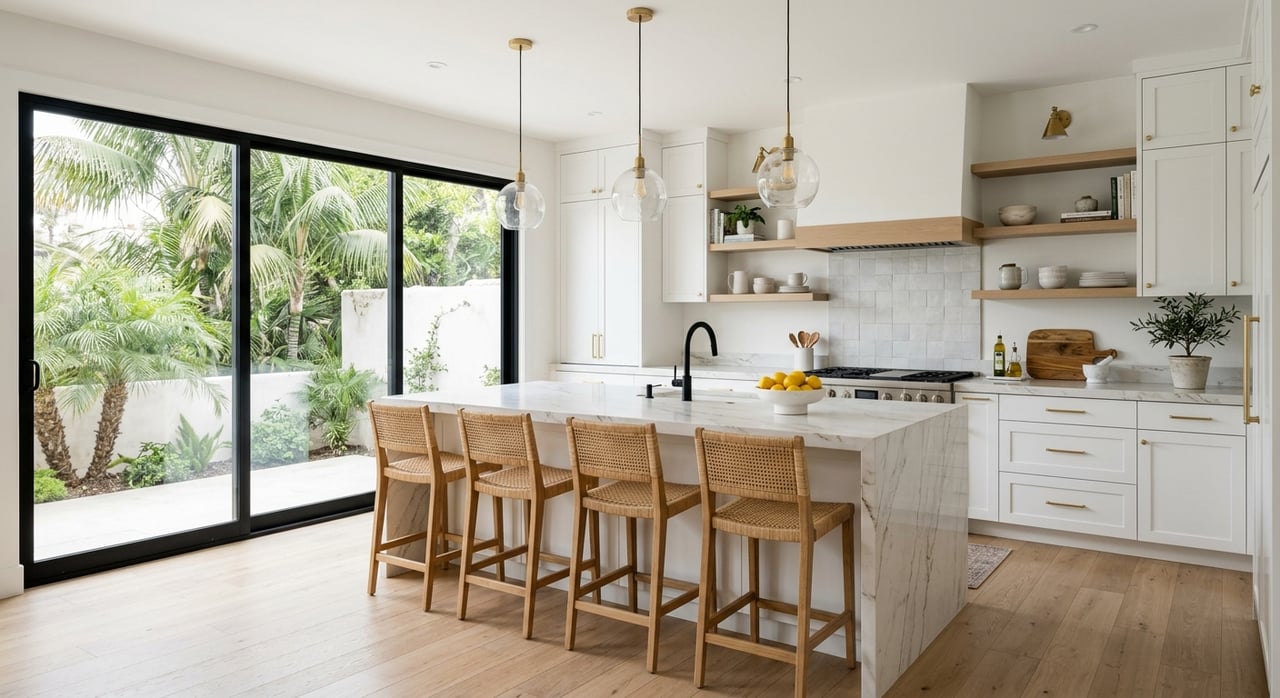
Wondering why some Cache Cay homes capture attention right away while others blend into the scroll? In a waterfront community like this, buyers are often reacting to more than square footage. They are picturing the view, the light, the outdoor spaces, and how the home connects to the water. If you want your sale to feel smoother and your listing to stand out, the right prep can make a meaningful difference. Let’s dive in.
Focus on the waterfront lifestyle
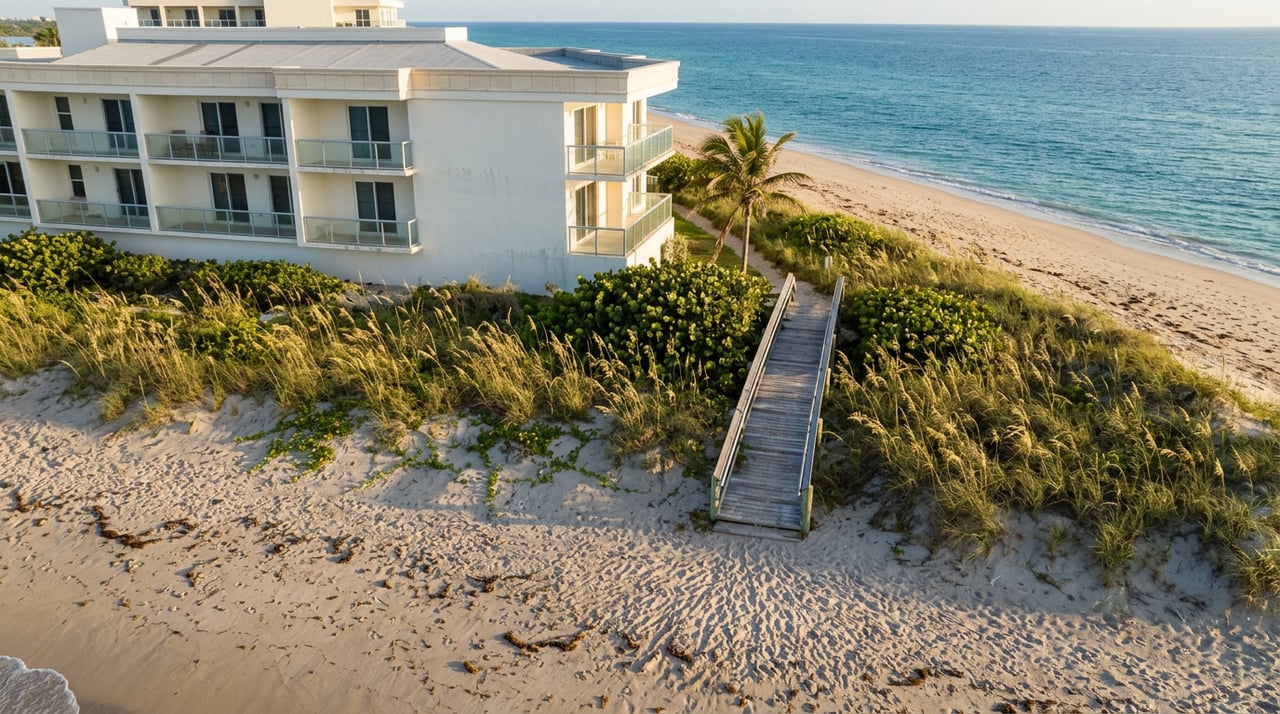
Cache Cay’s setting is part of the selling story. Indian River County archival records place Cache Cay west of Bethel Creek, with the Indian River Lagoon nearby, and identify surrounding water features including Jandreu Cove. That means your home is not being compared only on rooms and finishes. It is also being judged on how clearly it delivers a waterfront lifestyle.
Buyers in this area may be drawn to boating, lagoon access, outdoor living, and proximity to Vero Beach amenities. Indian River County highlights 23 miles of the Indian River Lagoon for boating and recreation, while the Vero Beach area is also known for restaurants, galleries, the Vero Beach Museum of Art, and Riverside Theatre. Your prep should help buyers feel that connection from the first photo to the final showing.
Start with the features buyers notice first
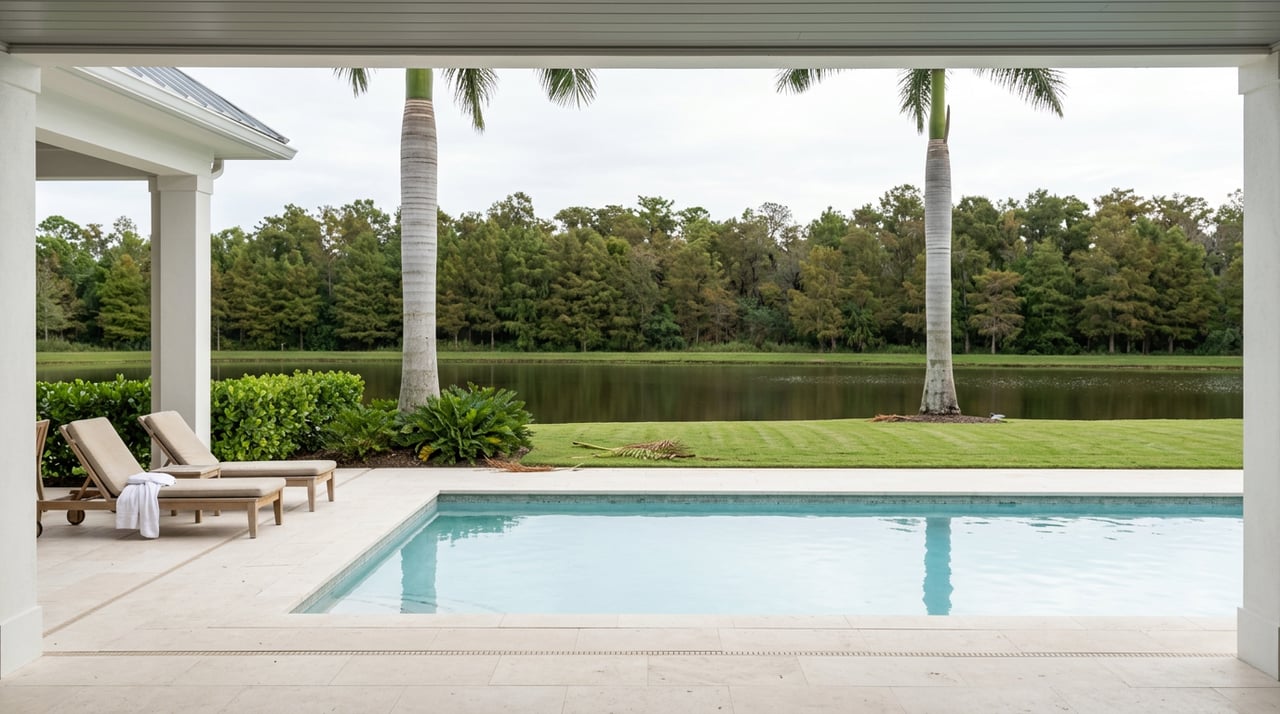
In Cache Cay, the most important first impression is often not the foyer. It is the way your home presents its relationship to the water. If you have a view, a lanai, a patio, a pool area, or a dock, those spaces should feel clean, open, and easy to enjoy.
Think about what a buyer sees within the first few seconds. Can they immediately spot the water from key living areas? Do outdoor spaces feel like extensions of the home? If the answer is no, your first goal is to remove anything that interrupts that experience.
Clear the view lines
Window treatments, bulky furniture, and decorative clutter can compete with one of your home’s biggest assets. In many Cache Cay homes, the view should be the focal point. Pull back heavy drapes, simplify surfaces, and arrange furniture so buyers naturally look outward.
Clean glass matters more than many sellers expect. Smudged sliders, salt film, or dusty windows can dull natural light and make the waterfront feel farther away. A bright, polished view helps photos look sharper and in-person showings feel more inviting.
Edit outdoor spaces carefully
Outdoor areas deserve the same attention as indoor rooms. According to the National Association of Realtors’ 2025 staging research, outdoor spaces are among the most important areas to stage. In a waterfront neighborhood, that point carries even more weight.
Keep patio and lanai furnishings simple and proportional. You want buyers to notice usable space, not too many pieces competing for attention. If you have a dock or boat-related area, remove excess gear, coiled hoses, old planters, and anything that makes the area feel crowded or neglected.
Prepare the rooms that matter most
NAR’s 2025 staging research found that the most important rooms to stage are the living room, primary bedroom, kitchen, dining room, and outdoor spaces. That gives you a clear roadmap. You do not need every room to look like a magazine spread, but the spaces that shape a buyer’s emotional response should feel finished and easy to understand.
Living room
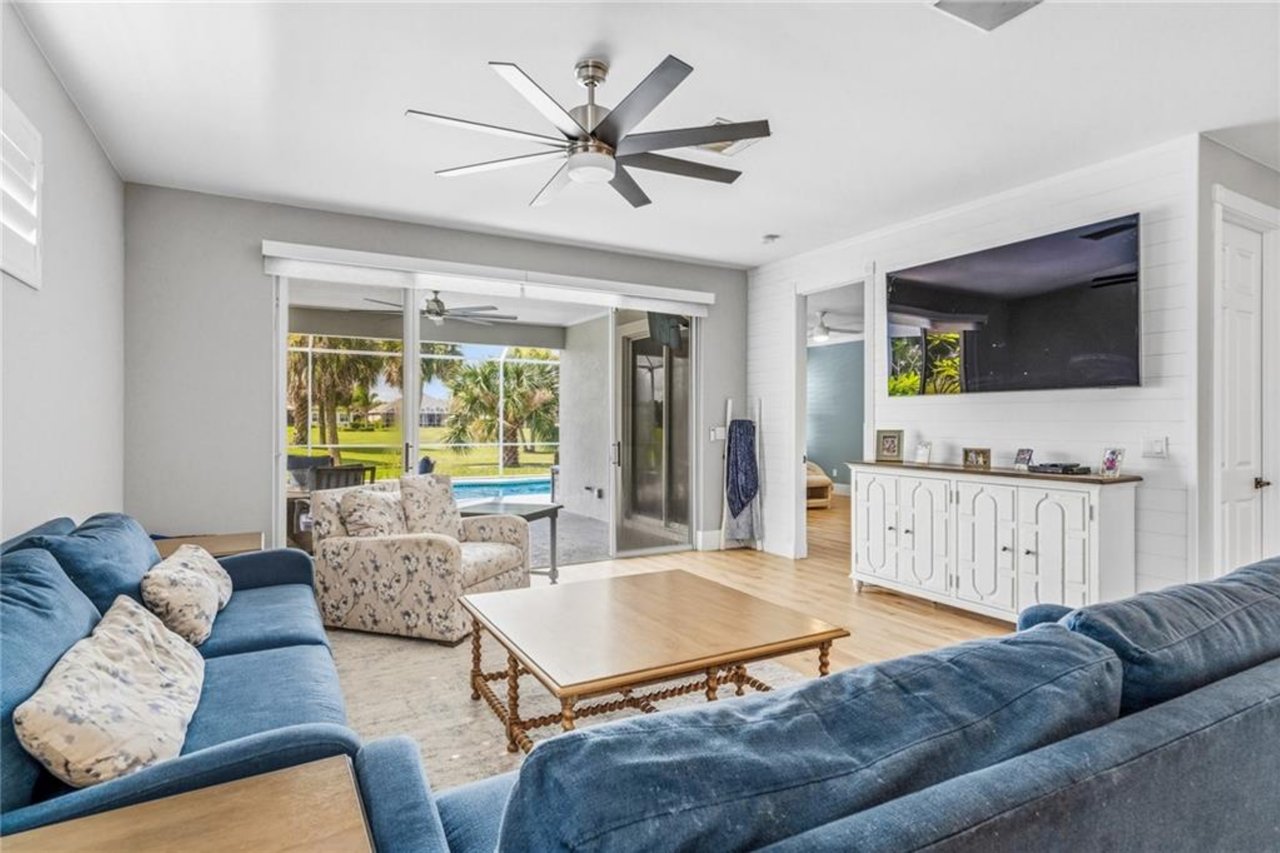
Your living room often carries the main sightline to the outdoors. Keep furniture placement open and balanced so the room feels comfortable without blocking windows or doors. If the room has large glass doors or water-facing windows, avoid placing attention-grabbing items where the eye should travel naturally toward the view.
Kitchen and dining area
Buyers want these spaces to feel clean, functional, and bright. Clear counters, remove small appliances when possible, and simplify open shelving. In dining areas, a restrained table setting or no setting at all often works better than too many decorative items.
Primary bedroom
The primary bedroom should feel calm and spacious. Remove extra seating, stacked storage, and heavily personal decor. If the room has a view or direct access to an outdoor area, make sure that feature is easy to see and easy to photograph.
Use a proven prep checklist
A strong seller prep plan usually starts with the basics. NAR guidance points to several practical steps that consistently help listings present better online and in person.
Here is a smart starting checklist:
- Declutter throughout the home
- Deep clean every room
- Depersonalize visible surfaces
- Touch up paint where needed
- Make minor repairs
- Clean carpet and flooring
- Re-grout tile if it looks worn
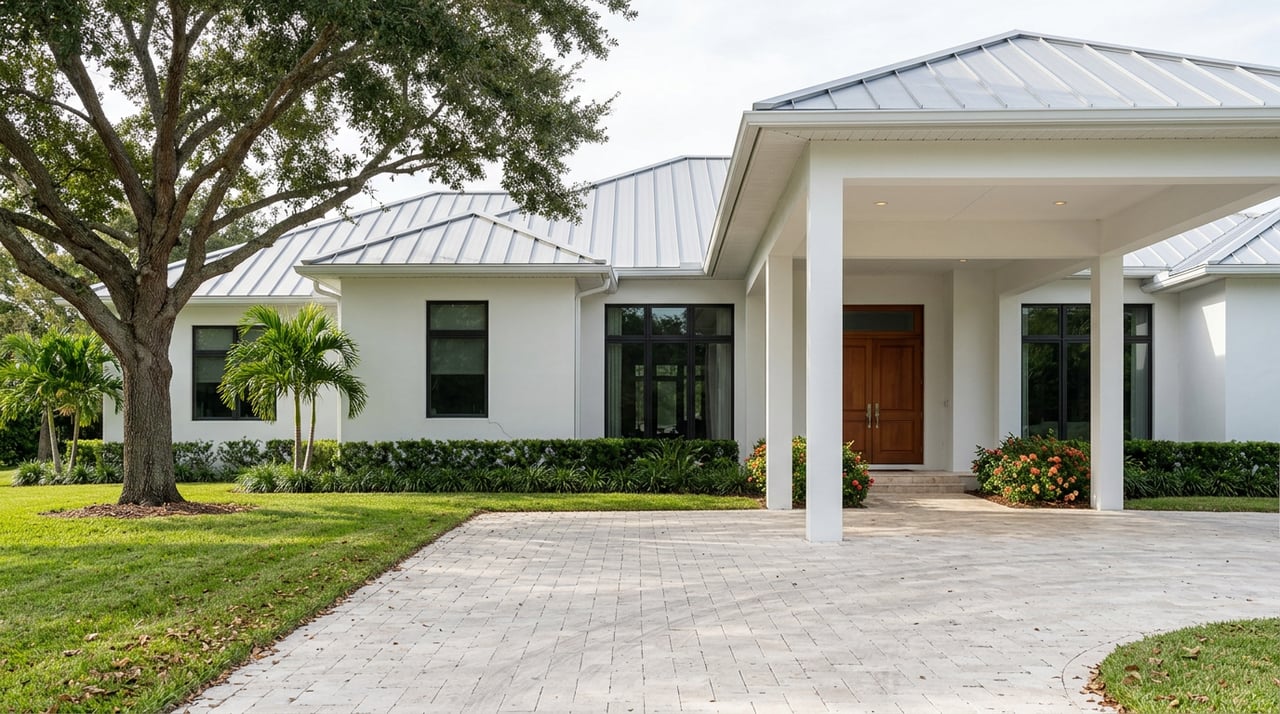
- Improve landscaping and entry presentation
- Remove pets during showings
- Schedule professional photography
In Cache Cay, you can adapt that list to waterfront priorities. Wash windows, tidy any dock or boat-access area, freshen exterior hardscapes, and make sure transitions from indoor rooms to outdoor spaces feel seamless.
Prioritize listing photos and video
Most buyers start online, and the research is clear about how important that first digital impression is. NAR reports that 81% of buyers consider listing photos the most important factor when evaluating properties online. Buyers’ agents also identified photos, traditional staging, videos, and virtual tours as important listing assets.
For a Cache Cay home, your lead images should highlight water, light, and the emotional appeal of the setting. The strongest photography plan usually includes the main water-facing view, the best indoor-outdoor connection, and any notable boating or outdoor entertaining feature. A home like yours should not read as a generic resale if the location offers more.
Make sure marketing matches reality
If digital enhancements or virtual staging are used, buyers should understand when images have been altered. NAR advises transparency on that point. The goal is to help buyers imagine the home accurately, not create disappointment when they arrive.
That matters even more in a waterfront market. If buyers are showing up for a specific lifestyle, your photos and video should reflect the real experience of the property.
Handle repairs before buyers ask
Minor issues can distract buyers and raise bigger questions. A loose handle, chipped trim, stained grout, or a weathered outdoor fixture may seem small, but together they can affect how well-maintained the home feels. In a premium setting, buyers often notice details quickly.
Focus first on anything visible during showings or likely to appear in listing photos. Then look at waterfront-facing areas with a critical eye. Railings, patios, exterior doors, lighting, and dock-adjacent spaces should feel cared for and ready to use.
Organize documents before you list
Good preparation is not only visual. Buyers may ask detailed questions, especially in a waterfront setting. Having your records ready can reduce stress and help the transaction move with fewer surprises.
Before listing, verify parcel and assessment details through the Indian River County Property Appraiser’s search tools. Those tools allow searches by owner name, address, parcel number, neighborhood, subdivision, and intersection. This can help you confirm public parcel data buyers may compare with the listing later.
Gather key records early
If your home is part of an HOA, gather association documents, fee schedules, rules, and assessment history as early as possible. Florida requires an HOA disclosure summary before contract execution, and buyers may have cancellation rights if that summary is not provided beforehand.
It is also wise to organize permit records, repair records, insurance history, and any available flood-related information in advance. Buyers may ask about maintenance history for water-facing features, and quick, clear answers can build confidence.
Know the Florida disclosures that matter
Florida requires several disclosures that sellers should understand before the contract stage. One is the property tax disclosure summary, which tells buyers not to rely on the seller’s current property taxes because a transfer of ownership or improvements may trigger reassessment.
Florida also requires a flood disclosure at or before contract. That disclosure includes whether the seller knows of flooding during ownership, flood claims, or FEMA assistance. In addition, Florida law requires disclosure of known sanitary sewer lateral defects before contract.
These are not details to scramble for at the last minute. When you prepare early, you can answer buyer questions more confidently and reduce the chance of delays later.
Create a simple pre-listing timeline
If all of this feels like a lot, that is normal. The easiest way to stay on track is to break the work into a short sequence.
Two to three weeks before listing
- Declutter and depersonalize
- Schedule deep cleaning
- Identify minor repairs
- Gather HOA, permit, tax, and insurance records
- Verify property details through county records
One to two weeks before listing
- Complete touch-up paint and small fixes
- Refresh landscaping and outdoor areas
- Clean windows and glass doors
- Edit dock, patio, lanai, and storage areas
- Finalize staging plan for key rooms
Final days before photos and showings
- Remove pets and pet items
- Clear counters and personal items
- Open window treatments for natural light
- Check sightlines to the water
- Make sure the home looks bright, clean, and uncluttered
Why concierge coordination helps
Preparing a home for sale often involves cleaners, repair professionals, staging decisions, photographers, and paperwork. A coordinated plan can save time and reduce last-minute friction. That is especially true when you are balancing a move, managing a second home, or selling from out of town.
For Cache Cay sellers, the biggest wins usually come from combining strong presentation with organized information. When the home looks polished and the details are ready, buyers can focus on what matters most: the property, the setting, and the lifestyle it offers.
If you are getting ready to sell in Cache Cay, a local strategy matters. The right preparation can help your home photograph better, show better, and answer buyer questions with confidence. For expert guidance, concierge coordination, and market-savvy support tailored to Vero Beach waterfront homes, connect with Kathleen Provancher.
FAQs
What should sellers in Cache Cay clean first before listing a home?
- Start with windows, glass doors, kitchens, bathrooms, floors, and outdoor living areas, then move to dock or boat-access spaces if your property has them.
What rooms matter most when staging a Cache Cay home for buyers?
- The living room, primary bedroom, kitchen, dining room, and outdoor spaces are the top priorities based on NAR’s 2025 staging research.
Why are listing photos so important for a Cache Cay home sale?
- NAR reports that 81% of buyers consider listing photos the most important factor when evaluating properties online, which is especially important for a waterfront home where views and light drive interest.
What documents should Cache Cay sellers gather before listing?
- Gather parcel details, HOA documents if applicable, fee schedules, rules, assessment history, permit records, repair records, insurance history, and available flood-related information.
What Florida disclosures should Cache Cay home sellers expect?
- Sellers should be prepared for Florida’s property tax disclosure summary, flood disclosure requirements, HOA disclosure summary if applicable, and disclosure of known sanitary sewer lateral defects before contract.
How can sellers make a Cache Cay waterfront home feel more appealing to buyers?
- Open view lines, simplify outdoor furniture, remove dock clutter, clean all glass thoroughly, and make sure indoor spaces connect clearly to the water-facing features.