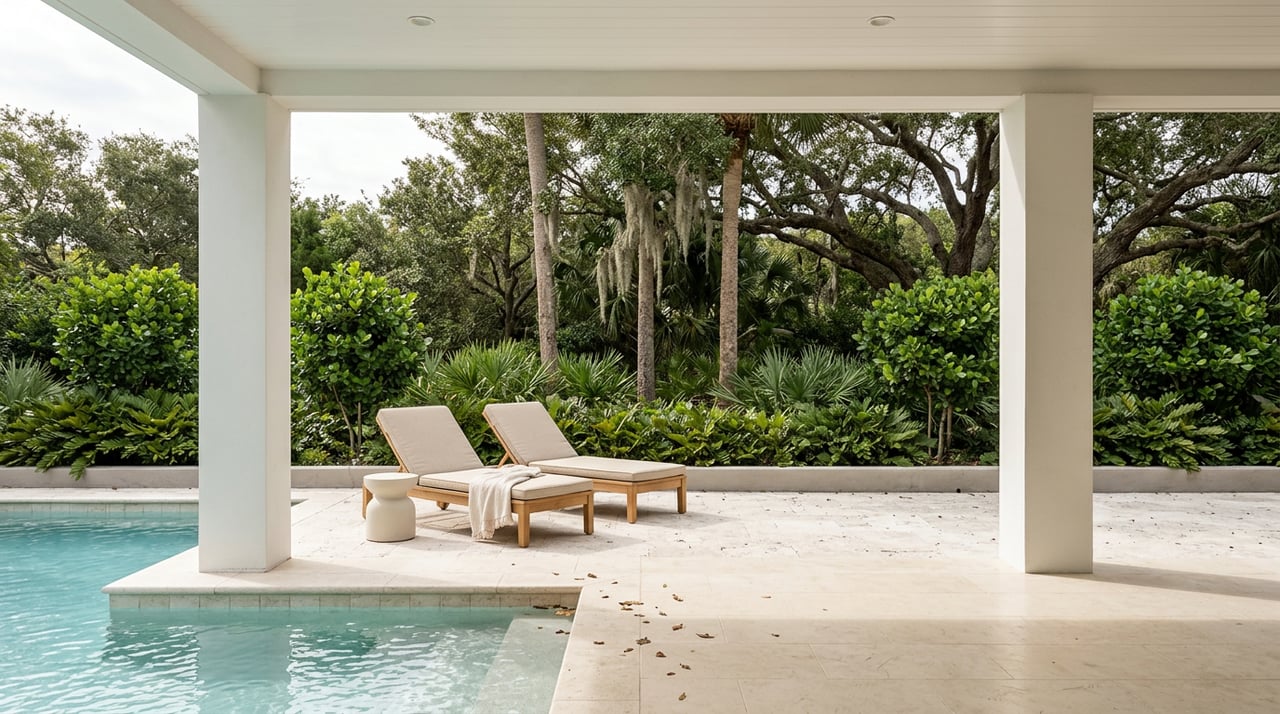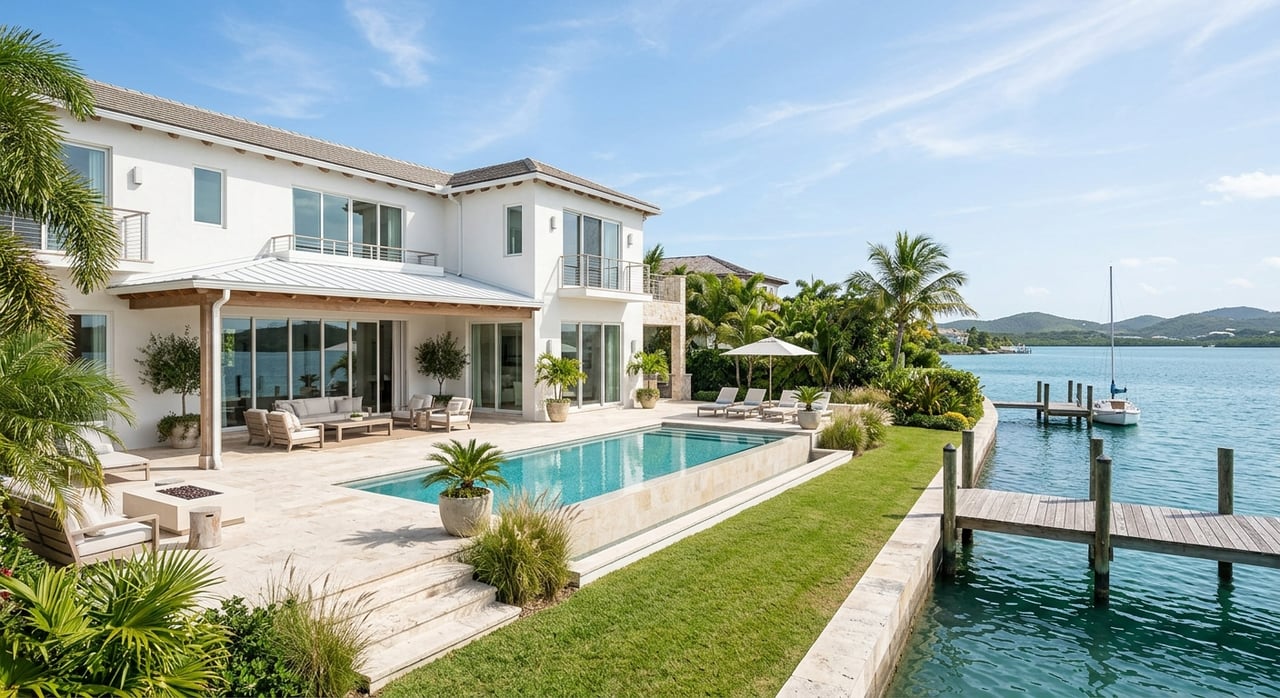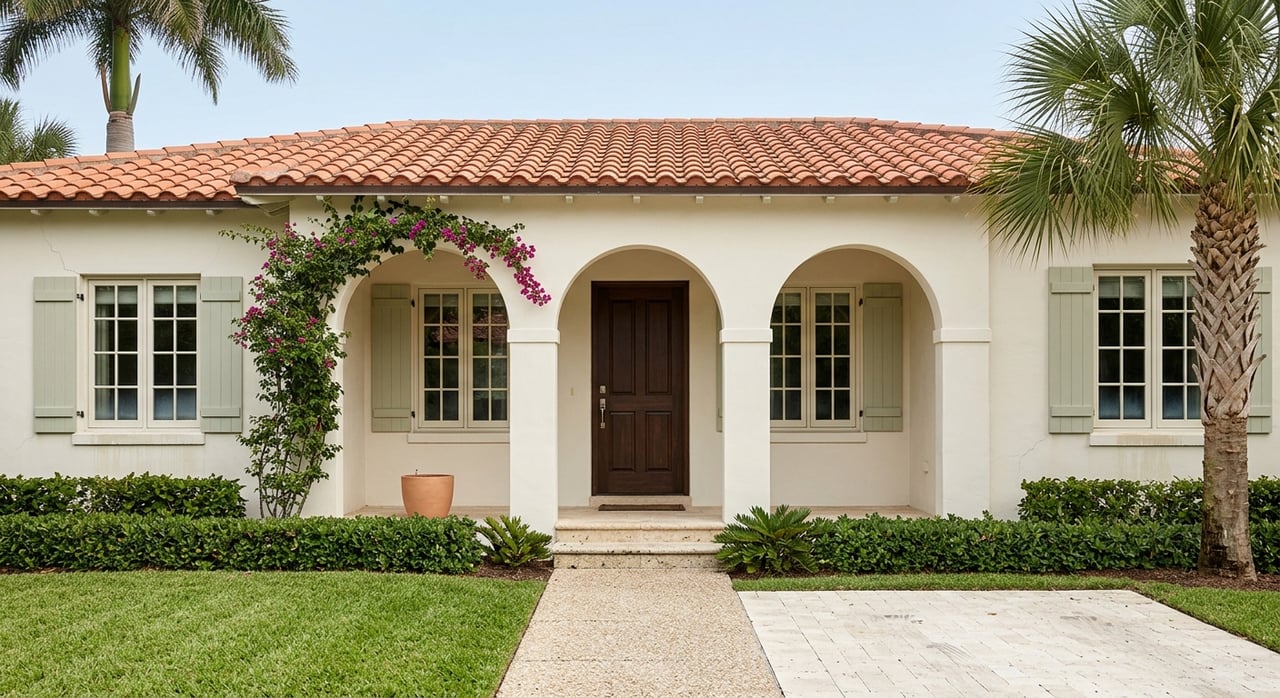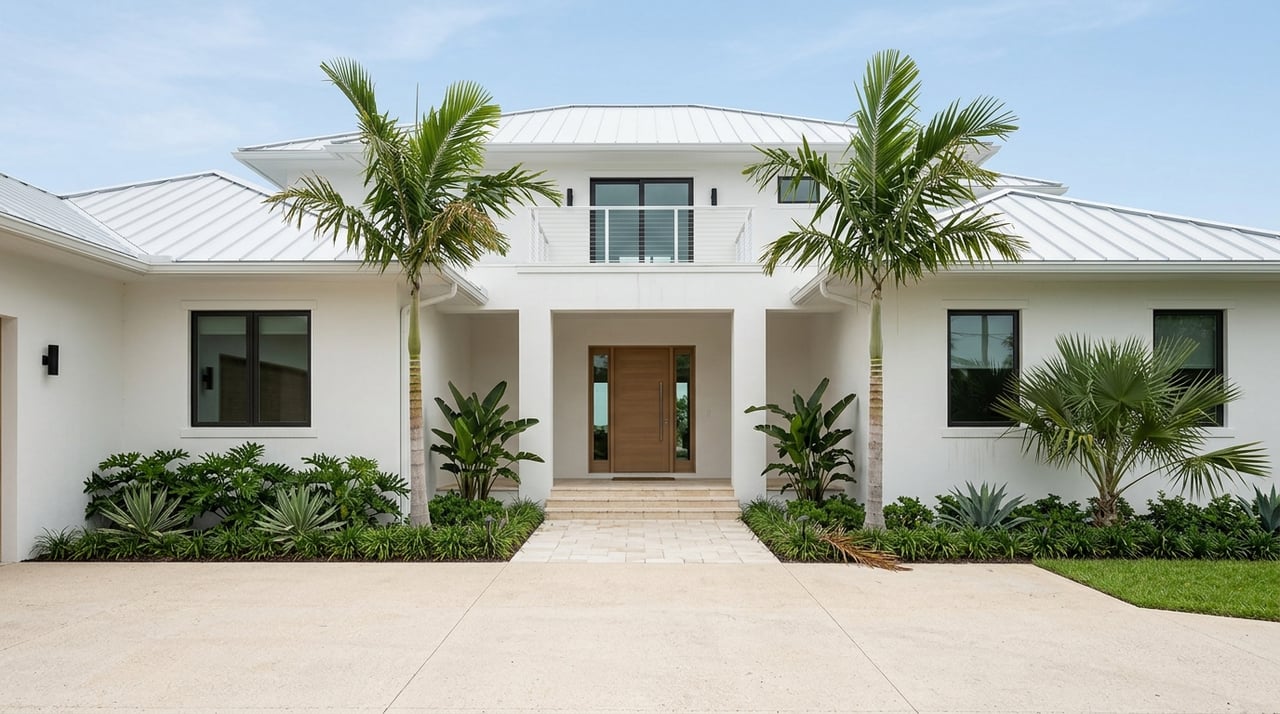
Buying a second home should feel exciting, not overwhelming. If you are considering Vero Beach Island 32963, you are likely drawn to the beachside lifestyle, seasonal flexibility, and the idea of owning a place that fits both personal use and long-term value. The key is knowing how this barrier-island market really works, from location fit to insurance, condo rules, and rental restrictions. Let’s dive in.
Why 32963 Stands Out
Vero Beach Island sits on Orchid Island, the barrier island between the Atlantic Ocean and the Indian River Lagoon. In practical terms, that means you are buying into a true coastal environment where beach access, water views, boating, and storm exposure all shape the ownership experience.
Indian River County planning documents note that the barrier island stretches about 22.4 miles within the county and that the beach and dune system serves as the first line of defense against coastal storms. For you as a second-home buyer, that is more than geography. It directly affects insurance, maintenance, and due diligence.
Second-home ownership is also a normal pattern in this market. County planning materials distinguish full-time residents from a seasonal population that occupies homes for less than six months a year, which helps explain why part-time use is a familiar part of life in this area.
How Buyers Think About the Island
A helpful way to understand 32963 is to break it into three commonly used pockets: North Beach, Central Beach, and South Beach. While these are not official legal districts, they are useful shorthand when you compare lifestyle, access, and upkeep.
North Beach Lifestyle
North-island communities such as Indian River Shores are closely tied to the barrier-island lifestyle. The town reports about 4,000 residents, more than six miles of Atlantic beach frontage, access to the Indian River Lagoon, and maintained public beach access points.
Indian River Shores also reports a Class 6 Community Rating System rating, which it says provides residents with a 20% flood-insurance premium reduction. If you are focused on a refined coastal setting with strong beach access and a more residential feel, this area often appeals to second-home buyers.
Central Beach Convenience
If you want easy access to active-use amenities, the City of Vero Beach beachside area offers a different rhythm. The city lists lifeguarded beach areas at South Beach, Humiston Beach, and Jaycee Beach, along with a municipal marina that serves more than 3,000 visiting boats each year and offers public slips, moorings, fuel, and related services.
For you, that can translate into a more convenient lock-and-leave lifestyle with beach days, boating access, and simple entertaining all close at hand. It is a practical fit if you want your second home to support both relaxation and social use.
South Beach and Ownership Style
Across the island, many buyers sort options by ownership style as much as by map location. A useful way to think about the market is this:
- Condos or villas for lower-maintenance living
- Single-family homes for more privacy and space, with more owner-managed upkeep
- Gated or club-oriented communities on the north barrier island for buyers who want a more structured lifestyle setting
This is not an official classification, but it is a smart lens for matching your goals with your time, budget, and maintenance tolerance.
Start With Costs, Not Finishes
It is easy to fall in love with the view first. On Vero Beach Island, your first layer of due diligence should be flood zone, storm exposure, insurance, and building elevation.
Indian River County’s coastal planning and mitigation materials identify barrier-island communities as especially vulnerable to wind and storm surge. The beachside portions of Vero Beach, Indian River Shores, and Orchid are specifically highlighted as exposed areas.
That matters because ownership costs can vary widely from one property to the next. Two homes with similar price points can have very different insurance profiles, maintenance demands, and future improvement requirements.
Flood Zones Matter
Indian River Shores explains that much of its Atlantic coast is in FEMA VE zones, with the rest of the town generally in AE zones. The town also stresses that flood zones and evacuation zones are not the same thing, which is an important distinction when you assess risk and planning needs.
It also states that new or substantially improved structures in a special flood hazard area require floodplain review, and that flood insurance is mandatory for structures in a special flood hazard area. If you are financing your purchase, this should be one of the first items you verify.
Coastal Wear Is Real
Owning near the ocean means you should expect different upkeep than you would inland. UF/IFAS notes that coastal landscapes require extra planning because of wind, salt, and sandy high-pH soils, with salt-tolerant plants especially important near the ocean.
For your budget, that usually means paying close attention to:
- Roof condition and expected lifespan
- Exterior paint and waterproofing
- Hardware and metal corrosion
- HVAC exposure to salt air
- Irrigation and landscape durability
- Routine storm prep and seasonal property checks
A beautiful second home is only part of the equation. A manageable second home is what gives you peace of mind.
Condo Buyers Need Extra Homework
If you are considering a condo as your beachside retreat, association due diligence deserves real attention. Florida requires a milestone inspection for condo buildings that are three habitable stories or higher at 30 years of age, and then every 10 years after that.
Florida also requires a structural integrity reserve study at least every 10 years. The required reserve categories include the roof, structure, fire protection systems, plumbing, electrical systems, waterproofing, exterior painting, windows and exterior doors, and certain deferred-maintenance items over $10,000 that affect those systems.
For you, this means the right condo is not just about the unit. It is also about the building’s financial health, reserve funding, inspection status, and upcoming capital obligations.
Condo Questions To Ask
Before you move forward, ask for:
- The latest association budget
- The current reserve schedule
- Milestone inspection status, if applicable
- The structural integrity reserve study, if applicable
- Information about planned repairs or assessments
These details can shape your ownership costs just as much as your mortgage or purchase price.
Rental Flexibility Is Community-Specific
Many second-home buyers want the option to rent the property when they are not using it. In 32963, that flexibility can vary significantly from one community to another.
Florida condominium law allows community documents to include restrictions on use, occupancy, and transfer. Florida HOA law also treats governing documents as the framework for how the community operates. In plain terms, you should never assume a property allows weekly, monthly, or seasonal rentals just because it is in a resort-like beach market.
What To Verify Before Closing
If rental income matters to you, confirm these items before you make an offer or during your contract due diligence:
- Minimum lease terms
- Approval requirements and timing
- Guest occupancy rules
- Pet restrictions
- Parking rules
- Community insurance requirements
- Whether owner-managed rentals are allowed
- Whether only longer-term leasing is permitted
This step is especially important in coastal association communities, where rules can directly affect your income plans and personal-use flexibility.
Understand Local Rental Taxes
If you plan to rent your second home for six months or less, Indian River County’s Tourist Development Tax applies. The county clerk states that the tax is 5% of taxable rental receipts and is collected by the owner or agent.
Florida also applies state sales tax and any applicable county surtax to transient rentals, and Indian River County’s surtax rate is 1%. The county clerk further notes that a bona fide written lease longer than six months is exempt from the tourist development tax.
For you, the takeaway is simple: if rental income is part of your ownership plan, confirm both the community rules and the local tax obligations before you buy.
A Smart Second-Home Buying Checklist
A well-chosen property in 32963 can support the exact lifestyle many buyers want: beach access, seasonal use, boating, and a lock-and-leave setup that still feels special. The smartest purchases usually come from clear planning, not quick assumptions.
As you narrow your options, keep this checklist in mind:
- Confirm the exact flood zone and evacuation zone
- Ask whether the property is in a VE, AE, or other special flood hazard area
- Get insurance quotes early for wind and flood coverage
- Review elevation, storm exposure, and any floodplain requirements
- Budget for salt-air maintenance on exterior systems and landscaping
- Review condo budgets, reserves, and inspection status when applicable
- Verify rental permissions and local tax obligations before closing
In a market as nuanced as Vero Beach Island, local guidance can save you time, money, and frustration. If you want help comparing neighborhoods, evaluating ownership costs, or finding the right second-home fit in 32963, Kathleen Provancher offers the kind of hyperlocal insight and concierge-level support that can make your search much smoother.
FAQs
What is Vero Beach Island 32963?
- Vero Beach Island 32963 refers to the beachside barrier-island area on Orchid Island between the Atlantic Ocean and the Indian River Lagoon in Indian River County.
What should second-home buyers check first in Vero Beach Island 32963?
- You should start with flood zone, storm exposure, insurance costs, building elevation, and maintenance expectations before focusing on finishes or decor.
Are condos in Vero Beach Island 32963 a lower-maintenance option?
- Condos and villas are often considered lower-maintenance than single-family homes, but you should still review association budgets, reserves, inspections, and potential assessments carefully.
Can you rent out a second home in Vero Beach Island 32963?
- Possibly, but rental flexibility depends on the specific community’s governing documents, including lease terms, approval rules, and use restrictions.
What taxes apply to short-term rentals in Indian River County?
- Rentals of six months or less are subject to Indian River County’s 5% Tourist Development Tax, plus applicable Florida state sales tax and the county’s 1% surtax.
Why is local guidance important when buying in Vero Beach Island 32963?
- This market has location-specific differences in flood exposure, maintenance demands, condo requirements, and rental rules, so local insight can help you compare options more accurately.