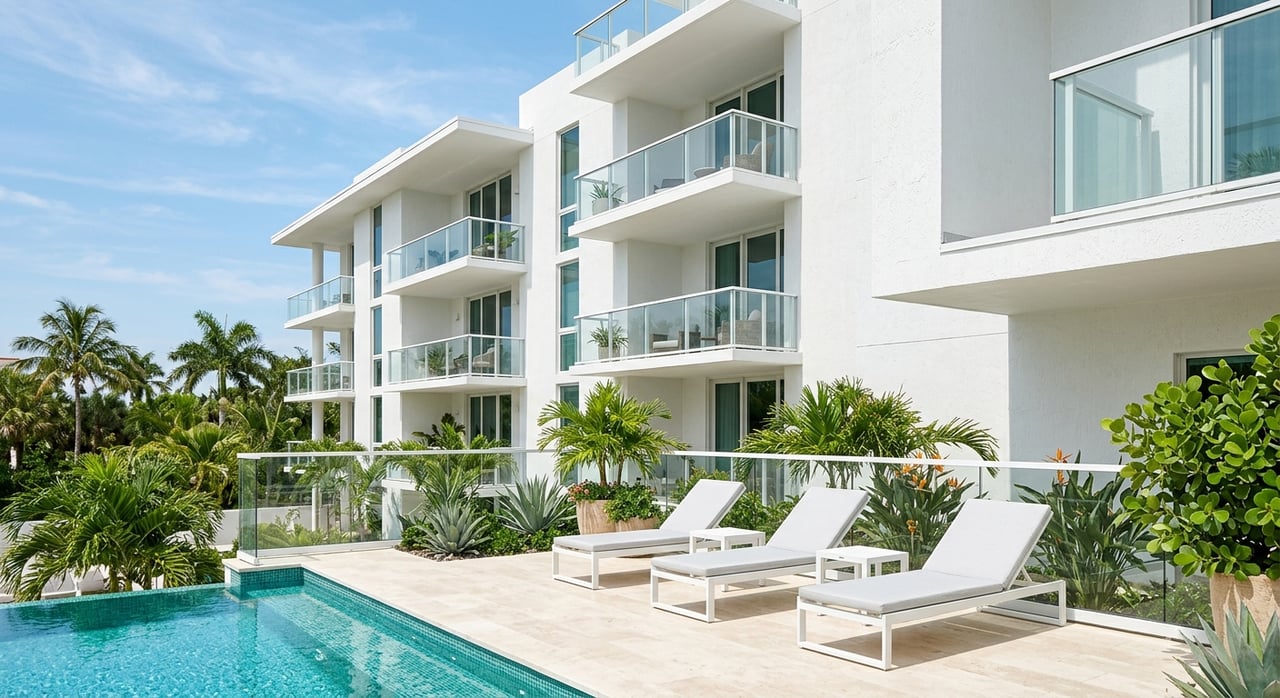
If you are dreaming about a coastal getaway that can also help offset ownership costs, Hutchinson Island deserves a closer look. This stretch of shoreline in St. Lucie County offers a lifestyle-first mix of beaches, parks, boating access, and visitor appeal, but the rental picture is not one-size-fits-all. If you are considering a second home here, understanding location, rental rules, and condo due diligence can help you buy with more confidence. Let’s dive in.
Why Hutchinson Island Appeals to Second-Home Buyers
Hutchinson Island stands out as a coastal, amenity-driven market rather than a typical inland rental market. St. Lucie County promotes the area around beaches, outdoor recreation, and tourism-focused stays, and the county’s tourism strategy supports maintaining and expanding tourism while growing ecotourism opportunities to help extend the season, according to St. Lucie County Tourism and the county’s planning documents.
That matters if you want a home you can enjoy personally while also exploring rental income potential. In simple terms, Hutchinson Island tends to make the most sense for buyers who value the coastal lifestyle first and see rental income as a way to offset carrying costs, not as the only reason to buy.
North vs. South Hutchinson Island
Not every part of the island serves the same kind of buyer or guest. The amenity mix on each end of Hutchinson Island can shape how you use the property and what kind of rental demand may fit best.
North Hutchinson Island feels quieter
North Hutchinson Island is known for a more nature-focused setting. Visit St. Lucie highlights state parks, miles of beaches and trails, and the National Navy UDT-SEAL Museum.
If you picture a second home for peaceful seasonal use, beach walks, and outdoor recreation, the north end may be a better match. Based on its amenity mix, it also appears better aligned with quieter visitors looking for a laid-back coastal stay.
South Hutchinson Island stays more active
South Hutchinson Island offers a different rhythm. The area is associated with dining, open-air restaurants, inlet and lagoon access, fishing, beach parks, Jetty Park, Walton Rocks, Little Mud Creek, and Bear Point Sanctuary.
For many buyers, that creates a stronger case for shorter vacation-style stays tied to boating, fishing, restaurants, and beach activity. If your goal is a second home with flexibility for active personal use and guest appeal, the south end may deserve extra attention.
Rental Demand Is More Seasonal Than Suburban
Hutchinson Island does not read like a commuter-driven, year-round rental submarket. St. Lucie County’s own planning language around tourism and ecotourism suggests a market with seasonal appeal and the potential for shoulder-season travel rather than one built around steady suburban leasing patterns, based on the county’s tourism planning framework.
For you as a buyer, that means it is smart to think in terms of personal enjoyment plus selective income opportunities. Winter demand, holiday travel, fishing trips, and nature-oriented visits may support the market, but your actual rental performance will depend heavily on the property, the building, and local rules.
Understand Short-Term Rental Taxes
If you plan to rent your property for shorter stays, taxes are part of the math. In Florida, rentals or leases of accommodations for six months or less are treated as transient rentals.
In St. Lucie County, the county tourism office says the tourist tax is 5% on accommodations rented for six months or less. Florida’s tax framework also includes the 6% state sales tax plus the St. Lucie County 1% discretionary sales surtax, creating a combined 12% headline tax burden before platform fees or other charges, according to the Florida Department of Revenue local tax information.
Jurisdiction Can Change the Rules
One of the most important details on Hutchinson Island is surprisingly simple: where the property sits matters. Two island addresses can face different compliance steps depending on whether the home is inside Fort Pierce city limits or in unincorporated St. Lucie County.
Fort Pierce has a specific registration process
The City of Fort Pierce adopted a dedicated short-term and vacation rental ordinance in 2021. As of July 1, 2024, rentals of less than 30 days no longer require a Business Tax Receipt, but all short-term and vacation rentals of less than six months still must be registered, according to the city’s short-term and vacation rental page.
The city also lists an initial registration fee of $350 per unit and a $200 annual renewal fee for eligible renewals. Fort Pierce uses Host Compliance and Granicus for enforcement, which shows the city takes registration seriously.
Unincorporated county properties follow a different path
Outside Fort Pierce city limits, St. Lucie County says you should confirm whether a property falls under county or city jurisdiction. The county’s business startup guidance states that businesses and professions in the county must obtain a County Business Tax Receipt and, where applicable, city receipts as well, according to St. Lucie County Planning and Development Services.
Before you buy, it is worth confirming the exact jurisdiction and compliance path for that address. This is one of the most practical early steps if rental flexibility matters to you.
Condo Rules May Matter Most
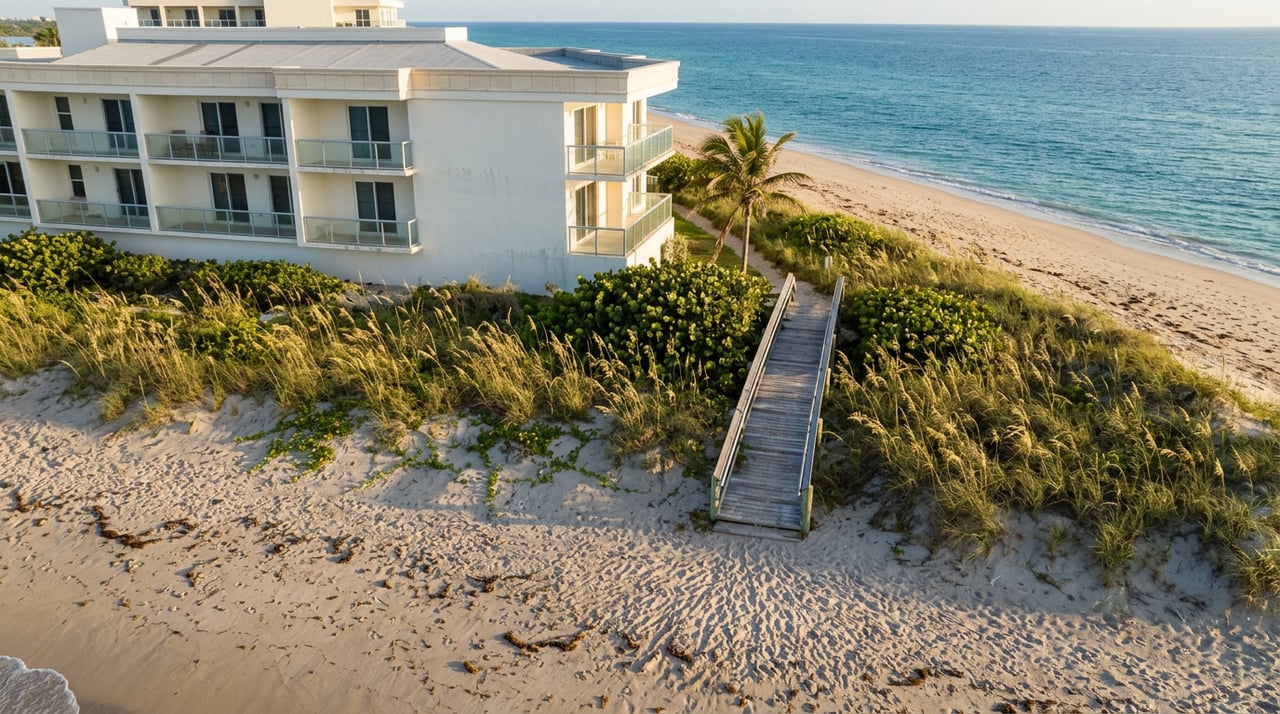
On Hutchinson Island, condo and association due diligence can be just as important as location. That is especially true in a coastal market where many properties fall within association-governed communities.
Florida law requires milestone inspections for residential condo and co-op buildings with three or more habitable stories when the building reaches 30 years of age and every 10 years after that. If local conditions require it, the trigger can be 25 years, and St. Lucie County says that 25-year threshold applies to buildings within 3 miles of the coastline, according to the state’s milestone inspection guidance.
Florida also requires Structural Integrity Reserve Studies, or SIRS, for residential condo associations with buildings three or more habitable stories. These studies must be completed at least every 10 years after the condominium’s creation, and associations must fund reserves according to the study, as explained in the state’s condominium FAQ guidance.
For older coastal buildings, these rules can affect monthly costs, future assessments, and your comfort level as an owner. St. Lucie County also maintains a milestone inspection dashboard for qualifying condo buildings, which underscores how central condo due diligence is in this market.
Questions to Ask Before You Offer
If you are evaluating a condo or association-governed property, these are some of the most important questions to ask before moving forward:
- Is the building in a 25-year or 30-year milestone inspection window?
- Has the association completed its current SIRS?
- Is reserve funding aligned with the SIRS findings?
- Are there pending or likely special assessments?
- What are the minimum lease terms and rental caps?
- Are there guest, parking, or occupancy rules that could affect rental use?
- What insurance deductibles or master-policy gaps could fall on you as the owner?
- Is there active professional management?
- Are there capital projects, litigation, or deferred maintenance items on the horizon?
These questions are not just technical details. They directly affect your ownership costs, your rental options, and how predictable the experience may be after closing.
What Type of Buyer Is the Best Fit?
Hutchinson Island tends to fit a buyer who wants an enjoyable coastal property first and income potential second. If you are looking for a home you can use seasonally, share with guests when permitted, and hold in a tourism-oriented setting, the island offers a compelling mix of lifestyle and flexibility.
In broad terms, north may better suit quieter seasonal use, while south may better support more active vacation-style demand tied to dining, boating, fishing, and beach activity. Either way, the real decision points usually come down to HOA rental policy, reserve health, inspection status, insurance costs, and whether the property is in Fort Pierce or unincorporated county jurisdiction.
If you want help sorting through those details and identifying the right fit for your goals, Kathleen Provancher can guide you through the process with the local insight and concierge-level support that coastal second-home buyers need.
FAQs
Is Hutchinson Island a good place for a second home?
- Hutchinson Island can be a strong choice if you want a coastal lifestyle property with the potential to offset costs through rentals, especially in a tourism-oriented setting.
What is the difference between North and South Hutchinson Island for buyers?
- North Hutchinson Island is generally associated with quieter, nature-focused amenities, while South Hutchinson Island is more tied to dining, boating, fishing, and active beach use.
Do short-term rentals on Hutchinson Island have to be registered?
- If the property is in Fort Pierce, short-term and vacation rentals of less than six months must be registered, even though rentals of less than 30 days no longer require a Business Tax Receipt.
What taxes apply to Hutchinson Island short-term rentals?
- For accommodations rented six months or less in St. Lucie County, the combined headline tax burden is 12%, which includes the 5% tourist tax, 6% state sales tax, and 1% discretionary sales surtax.
Why are condo documents so important on Hutchinson Island?
- Condo documents can reveal rental restrictions, reserve funding, milestone inspection timing, special assessment risk, and other factors that may directly affect ownership costs and rental flexibility.